Career and technical education, often shortened to CTE, is the set of school courses that prepare students for specific jobs and industries. In Florida, these courses begin in middle school and continue through high school, and many lead to credentials students can earn before they graduate, which gives students something to show for their coursework.
Families who understand how the options work can help their children make better choices about classes, schedules and what comes after graduation. Parents tend to ask about five points first when planning a student’s schedule, and each one affects which classes a student picks, so they’re worth understanding ahead of time.
1. CTE Starts Before High School
Sixth graders can already take CTE classes, and the fields on offer include health science, information technology, hospitality and tourism, and energy. Starting early gives students time to try a field, set it aside if it doesn’t fit and pick something else before ninth grade, when course choices begin to add up toward graduation.


2. Some Programs Lead to State Licenses
Cosmetology is one of several licensed fields where the state sets the number of training hours before a graduate can sit for the exam. Florida’s requirement for cosmetology is 1,200 hours, and cosmetology schools in Florida build their programs to cover that total before graduates apply for a license with the state board. Students who start exploring a field like this in high school can learn what the training involves well before they choose a path.
3. Dual Enrollment Can Begin Career Training Early
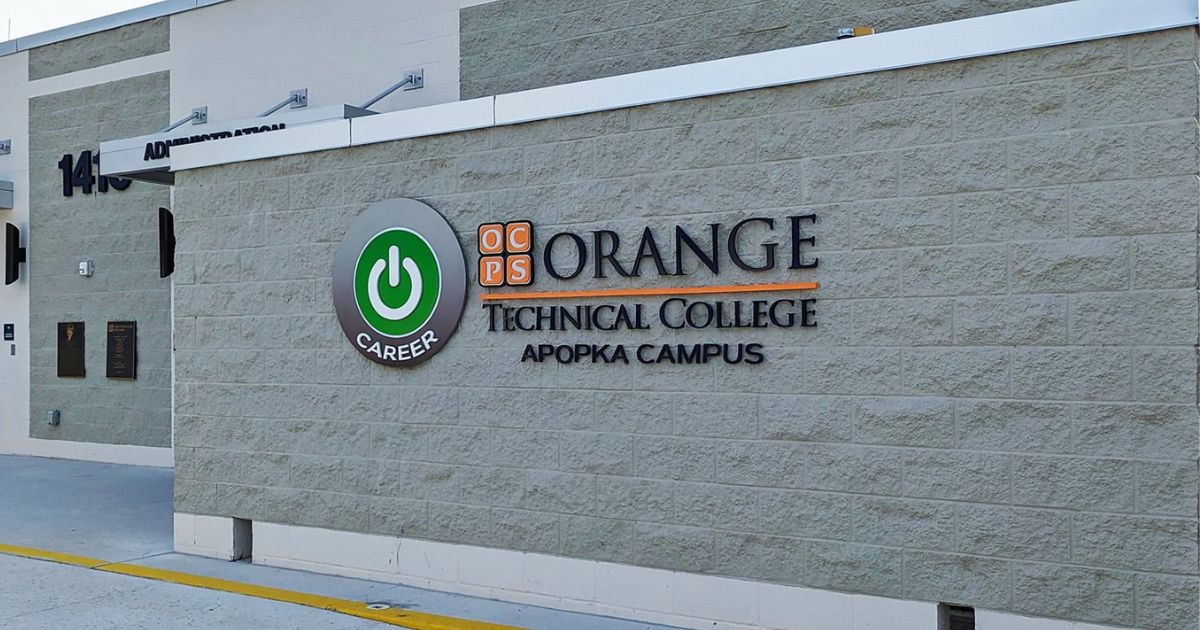
Dual enrollment programs let high school students earn college credit and career training before graduation, and often the school district pays the tuition. One technical college in the Orlando area reports 7,000 students in career dual enrollment programs, with courses in health, construction, information technology and trucking. Ask the school counselor which courses and requirements apply in your district.
4. Industry Certifications Count Before Graduation
Florida students can earn industry certifications, which are credentials showing they’ve passed an exam in a specific skill area, while they’re still in high school. Among seniors who take several courses in one career area, most graduate with at least one industry certification, and the credential can count toward further training after high school. Ask which certifications connect to your child’s courses, since the list differs by program.

5. School Counselors Can Map the Options
Start the conversation early, ideally when course selection begins in middle school, and bring questions about which programs your school offers and which technical colleges are nearby. Counselors can also explain how CTE classes count toward graduation requirements and how a student’s schedule fits a program sequence, and they can point to application deadlines.
Families don’t need to settle on a career in sixth grade, and trying a few courses, asking questions each year and keeping college and career options open gives students room to change direction while still collecting credits and credentials along the way. Even a course that doesn’t become a career shows a student what they enjoy.