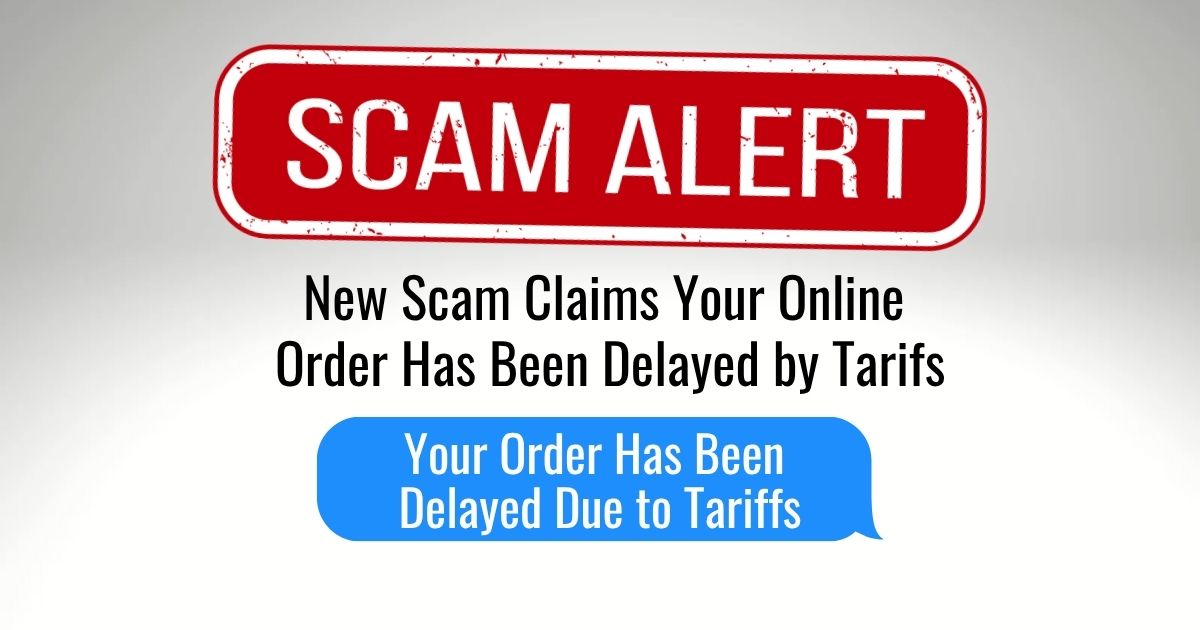
With the rise of online shopping through sponsored ads and unfamiliar websites, the Better Business Bureau (BBB) is warning consumers about a growing scam tactic: scammers are using fake customs and tariff excuses to delay or deny refund requests.
According to recent reports to the BBB Scam Tracker, scammers attract shoppers with polished advertisements and professional-looking websites. After placing an order, victims often experience long delays or never receive their purchases. When they attempt to contact the seller, they are informed that their item is “stuck in customs” due to tariffs or new shipping regulations—a claim that is often false.
In many cases, scammers go even further by asking customers to pay additional fees to “release” their package or by providing tracking numbers that indicate the item was delivered to the wrong state. One consumer stated, “After two months of not receiving my product, I emailed this company multiple times, and each time the reply was that my package is stuck in customs due to… tariffs. I have requested a refund multiple times but have stopped getting any replies from this apparently fake company.”
Another consumer reported seeing an ad on Instagram for gotosleeps.com, purchasing a product, and receiving a fake tracking number. The seller later blamed “Trump Tariffs” for the delay and sent emails filled with grammatical errors.
Common Warning Signs:

- Sellers cite tariffs or customs issues as reasons for shipping delays.
- You are asked to pay more money after completing your order.
- Tracking numbers are invalid or indicate delivery to the wrong location.
- Customer service replies are vague, scripted, or eventually stop altogether.
Tips to Avoid These Scams:
- Research the Seller: Don’t rely solely on comments in ads. Look up reviews and search the company’s name along with terms like “scam” or “complaint.”
- Check the Website: Look for typos, poor grammar, or suspicious URLs. Even professional-looking websites can be fake.
- Use a Credit Card: Credit cards often offer better fraud protection than debit cards or payment apps.
- Avoid Post-Checkout Fees: Legitimate sellers won’t ask for additional customs or shipping payments after a purchase.
- Be Wary of Tariff Excuses: U.S. customers generally aren’t responsible for tariffs once an order is placed.
- Document Your Purchase: Save copies of confirmation emails, ads, and tracking details in case you need to dispute the charge.
The BBB urges consumers to remain cautious when shopping online, especially when dealing with unfamiliar retailers or sponsored ads on social media. Any suspicious activity should be reported to the BBB Scam Tracker to help warn others.