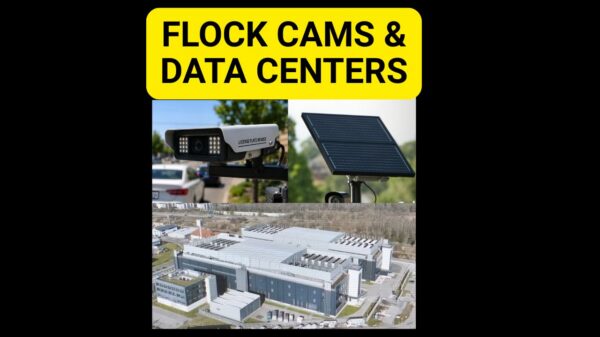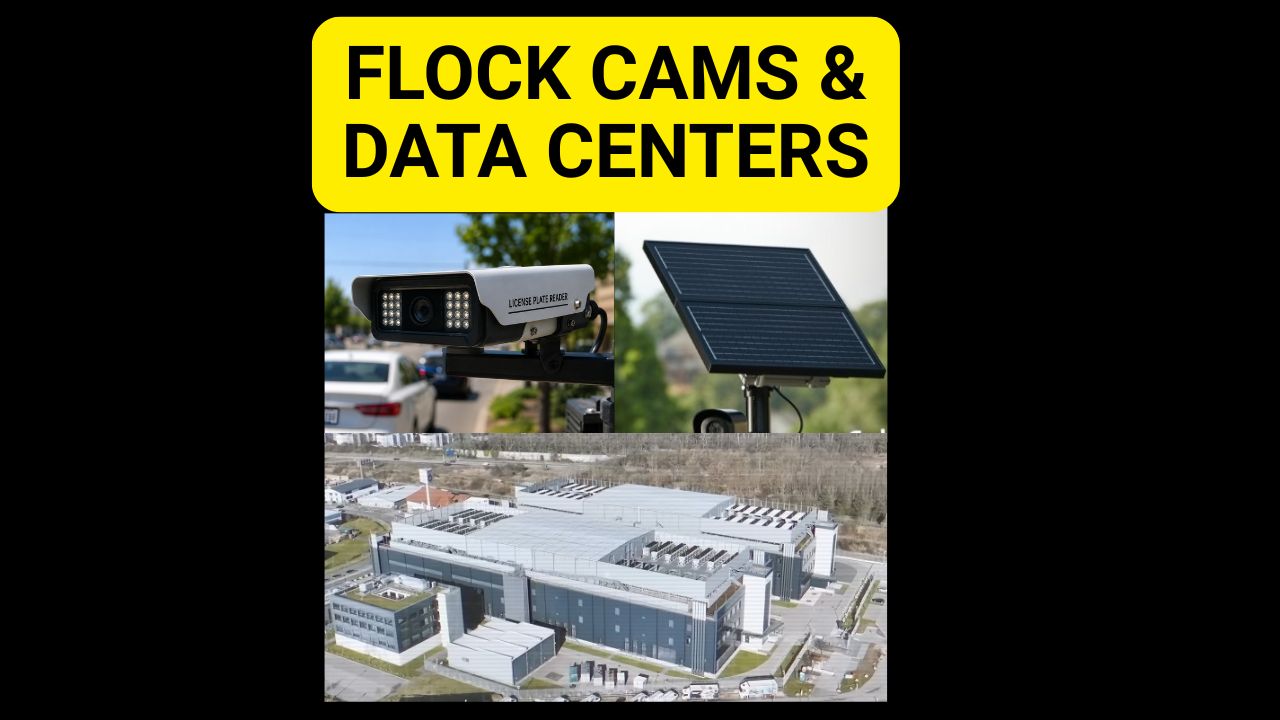
Two separate debates over technology are drawing growing resistance from Central Florida residents, as officials in Volusia County move toward banning large-scale data centers while Oviedo leaders reconsider the city’s use of Flock automated license plate readers.
Although the issues involve very different technologies, both disputes have centered on concerns about how rapidly expanding technology can affect local communities — from privacy and government surveillance to electricity demand, land use and infrastructure.
In Volusia County, commissioners voted unanimously Monday to move forward with an outright ban on large-scale data centers in unincorporated areas of the county. The decision followed hours of debate and public comment during an Aug. 17 meeting.
Under Florida law, a large-scale data center is generally defined as a single location with an anticipated monthly peak electrical load of at least 50 megawatts. State lawmakers addressed the growing industry this year through Senate Bill 484, which preserved local governments’ authority over comprehensive planning and land-development regulations involving large-load customers.
Volusia commissioners had initially considered imposing a temporary moratorium while county officials studied potential regulations. County attorneys recommended taking additional time to review the issue, including awaiting a state-commissioned study examining data centers’ potential effects on economic development, tax revenue, land, water, energy and other resources. That study is scheduled to be submitted to state leaders by July 1, 2027.
Residents, however, urged commissioners to take stronger action immediately. Commissioners ultimately agreed to pursue a prohibition rather than a temporary moratorium.

The final ordinance still must be drafted and brought back to commissioners for approval. The proposed ban would apply only to unincorporated Volusia County and would not prevent municipalities within the county from establishing their own rules. Ormond Beach has already approved an 18-month moratorium, while Edgewater voters are expected to consider a data-center ordinance through a November referendum.
No large-scale data center projects are currently proposed in Volusia County, according to county officials.


Meanwhile, another technology-related dispute is unfolding roughly 35 miles away in Oviedo, where city leaders are reviewing a contract for eight Flock Automated License Plate Recognition cameras.
Oviedo entered into the Flock agreement last September. The cameras are positioned near the city’s outer boundaries and photograph license plates and other vehicle characteristics as cars enter and leave the community.
Supporters, including Oviedo Police Chief Dale Coleman, argue that the system gives investigators another tool to locate suspects, stolen vehicles and people connected to crimes. Coleman has said officers must associate searches with legitimate cases and that the department conducts regular audits designed to identify improper access.
Critics argue that the technology creates a surveillance network capable of tracking the movements of people who have not been accused of crimes.
Oviedo Mayor Megan Sladek opposed the cameras when the City Council originally approved the program and has continued raising questions about how information collected by the system could be handled or shared by third parties.
Those concerns have intensified amid a broader national debate over Flock’s expanding license-plate-reader network. Flock recently announced additional safeguards, including reducing its default data-retention period from 30 days to seven days and requiring agencies to use auditing technology intended to flag suspicious searches. More than 50 jurisdictions nationwide have ended their relationships with Flock amid privacy and oversight concerns, according to the Associated Press.
Central Florida has also experienced a high-profile example of alleged database abuse.
Former Sumter County Sheriff’s Office Detective Brandy Almany was arrested and fired in July after investigators accused her of using restricted law-enforcement databases, including Flock’s license-plate system, to obtain information about her husband’s ex-wife for personal reasons. Investigators alleged Almany used unrelated case numbers and false investigative explanations to make the searches appear legitimate.
Sumter County Sheriff Patrick Breeden subsequently suspended the sheriff’s office’s use of Flock cameras while the agency reviewed the incident and its surveillance systems.
The case became part of the argument raised by Oviedo residents questioning whether safeguards can adequately prevent misuse.
Oviedo resident Gabi Mengel said the technology goes too far for a community like Oviedo and described the cameras as a potential “slippery slope.” Her concerns helped prompt city officials to place the Flock program back on the council’s agenda.
The council discussion does not immediately terminate the city’s contract, and no formal vote on removing the cameras was scheduled as part of the review.
The debates in Oviedo and Volusia County nevertheless illustrate a growing tension for Florida governments confronting emerging technology. Data centers are attracting scrutiny over their potential effects on utilities, natural resources and development, while automated license plate readers are facing questions over privacy, data security and government access to residents’ movements.
In both cases, Central Florida residents are increasingly asking local officials to determine where the benefits of new technology end — and where its potential impact on communities and individual privacy becomes too great.