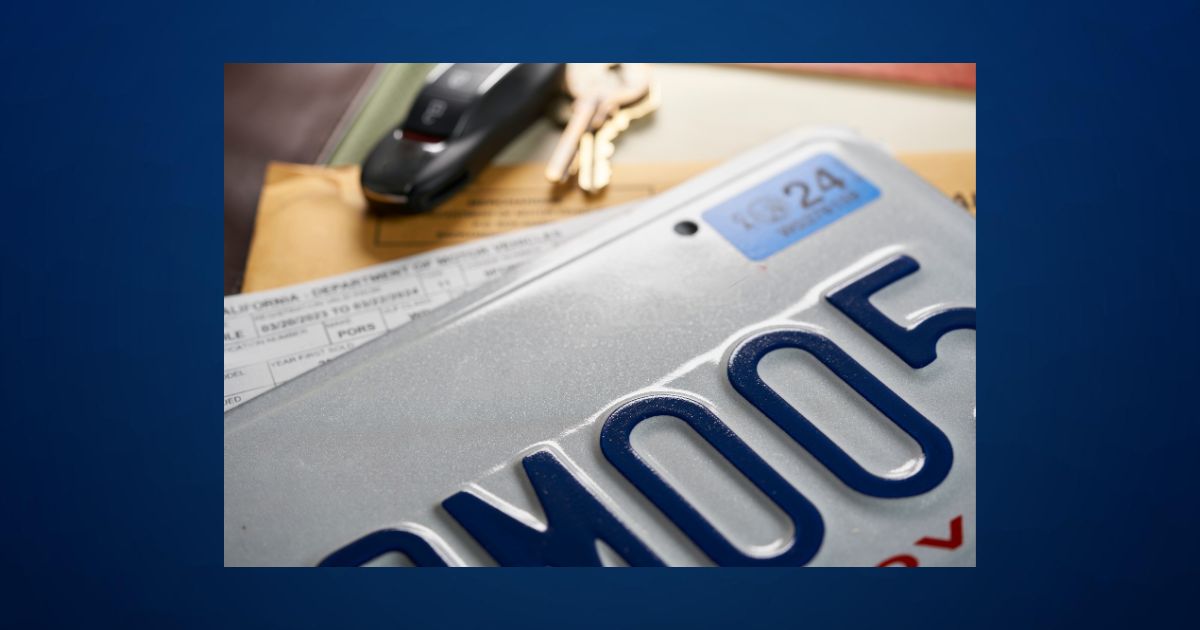
“License and registration, please.” For Topeka drivers whose renewal notice got buried under a stack of mail, that routine request can reveal a problem they didn’t know they had. An expired sticker is easy to miss when life gets busy, but an officer who spots it may not treat it as a small oversight.
Whether it’s a simple fix or something more serious depends on the details. Learning when an expired registration moving violation applies can save you a fine and a lot of stress.
1. You May Get a Traffic Ticket
The most obvious consequence is a citation. If a police officer discovers that your vehicle registration is expired during a traffic stop or another interaction, you may receive a ticket.
The fine amount depends on how long the registration has been expired and the applicable state or local rules. A recent expiration may be treated differently from a registration that has been expired for a much longer period.
2. You Could Be Pulled Over
An expired registration may give an officer a reason to stop your vehicle, depending on the law in your jurisdiction.
The stop may begin with the registration issue, but an officer can also notice other potential violations during the interaction. Such violations can make a simple registration problem more complicated.
3. You May Have to Pay Late Fees
Kansas registrations renew every year, and your renewal month is based on the first letter of the owner’s last name. Renewing your registration on time through iKan, by mail, or at the Shawnee County Treasurer’s office keeps things simple. Once your month passes, you’re driving on an expired tag, and waiting longer can add to what you owe.
4. Your Registration Renewal May Require Extra Steps
A short lapse can be quite easily corrected. A longer lapse can mean additional requirements.
Depending on the state’s requirements, you may have to submit updated documents, pay penalties, complete an inspection, or take other steps before your registration can be reinstated.
Don’t assume that a long lapse just requires paying the standard renewal fee.
5. Your Insurance Situation Could Become More Complicated
Registration and insurance are different things, but both are required for lawful vehicle use in many states.
If your registration has expired, you should still maintain required insurance coverage. Driving without proper insurance can create separate legal and financial problems that are much more serious than an expired registration alone.
Check your policy and state requirements before continuing to drive.
6. You May Have Trouble Selling the Vehicle
An expired registration doesn’t necessarily prevent you from selling a vehicle, but it can complicate the transaction.
A buyer may want to know why the registration is expired and whether unpaid fees or other issues are attached to the vehicle. Having current paperwork can make the transfer process easier.
Before selling, check whether your state requires any additional documents or steps.
7. You Could Face Additional Penalties After Repeated Violations
One expired registration issue may be resolved with a ticket and renewal. Repeated violations can create a different situation.
If you continue driving with an expired registration after receiving a warning or citation, you may face additional penalties. Ignoring the problem generally won’t make it disappear.
Taking care of the registration promptly can prevent a small administrative issue from becoming a larger one.
8. Your Vehicle Could Be Towed in Some Circumstances
Towing isn’t an automatic consequence of every expired registration. However, some situations may allow authorities to tow or impound a vehicle.
This can depend on how long the registration has been expired, where the vehicle is parked or operated, and what other violations are involved.
If your vehicle is towed, you’ll also have to deal with storage fees and the steps required to get it released.
9. A Traffic Stop Can Lead to Other Charges
An expired registration may be the reason an officer stops you, but it doesn’t necessarily end there.
During the stop, an officer may discover another issue, such as an outstanding warrant, an insurance problem, or a different vehicle violation. Each issue can carry its own consequences.
That’s why it’s better to address an expired registration before a traffic stop than to wait for the problem to surface during the encounter.
Don’t Let an Expired Registration Become a Greater Issue
An expired registration may seem like a minor paperwork issue, but ignoring it can lead to fines, added requirements, or complications during a traffic stop. Penalties also vary by state and violation.
If your registration has expired, start by checking the applicable rules and renewing it promptly. If you’ve already received a citation, review the charge carefully and make sure you meet every deadline listed on the ticket. A few minutes spent dealing with the problem now can help prevent a much bigger headache later.