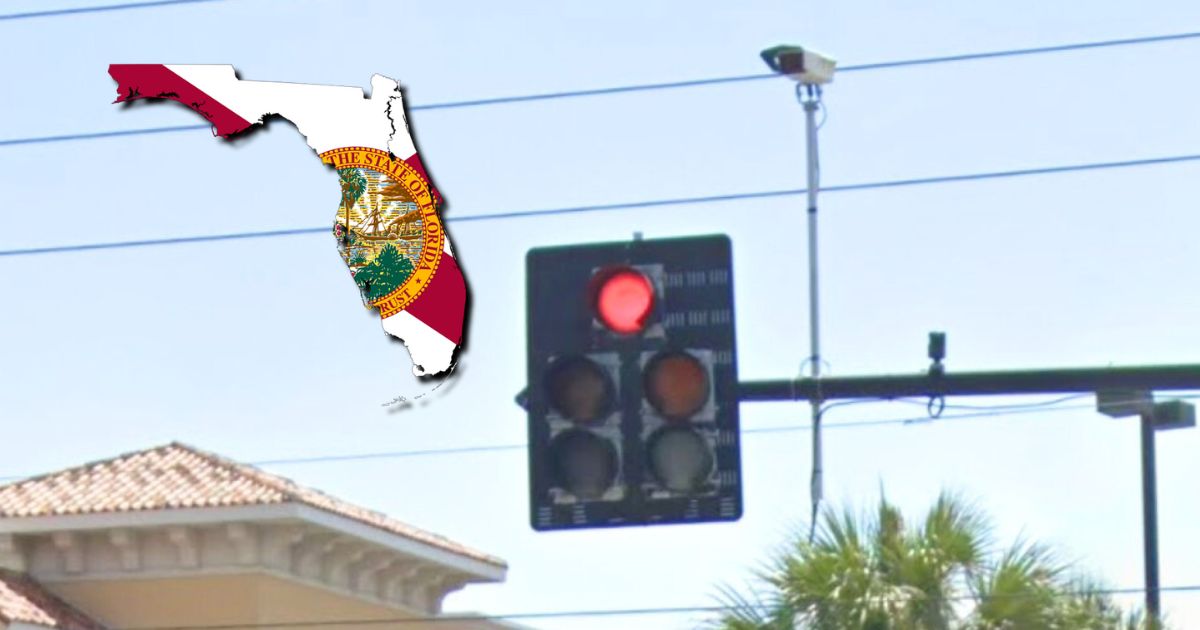
This year, Florida residents raised concerns over the use of traffic cameras by local law enforcement, citing issues like government surveillance and the possibility of misusing drivers’ personal information when capturing their license plates and car models on camera.
Now, the issue of traffic cameras is being scrutinized.
Currently, if a Florida driver breaks a road violation, a ticket arrives in the mail, issued not by a police officer but by a camera. The government calls it traffic safety. But opponents ask whether there’s more to it; for example, are automated enforcement programs designed to prevent crashes—or to generate predictable revenue?
Jay Beeber is the Chief Policy Officer of the National Motorists Association. He has been examining the data behind red-light cameras, speed cameras, school-bus cameras, arbitrary speed limits, and the traffic-engineering decisions that shape driver behavior.
Beeber has warned that automated ticketing can penalize technical violations and minor mistakes that might be avoided through better intersection design, proper signal timing, and realistic speed limits. He also raises concerns about due process, vendor incentives, disproportionate financial burdens, and surveillance.

His argument is that safety should be measured by fewer crashes and injuries, not by the number of citations issued or the dollars collected.

In legislative testimony, Beeber has raised several concerns about traffic cameras and their use by local municipalities.

TRAFFIC SAFETY OR TICKET REVENUE?
“Are traffic cameras really about saving lives—or have some municipalities discovered a reliable new way to raise money?” ask Beeber.

THE SPEED-LIMIT TRAP
Are Floridians being ticketed for driving at speeds that the roads themselves were designed to accommodate, and are they facing the consequences of setting limits far below normal traffic speeds?
CAN RED-LIGHT CAMERAS MAKE INTERSECTIONS MORE DANGEROUS?
What happens when drivers slam on their brakes to avoid a camera ticket?
THE SURVEILLANCE AND DUE-PROCESS QUESTION
Beeber says when a machine accuses you of breaking the law, who protects your rights? From automated citations to vehicle-owner liability, appeals, and data collection.
SAFETY OR REVENUE?
When a city installs a speed camera, what evidence should it have to show that the camera actually improves public safety?
FOLLOW THE MONEY
How do camera vendors and local governments typically share financial incentives, and what potential conflicts of interest does that create?” ask Beeber.