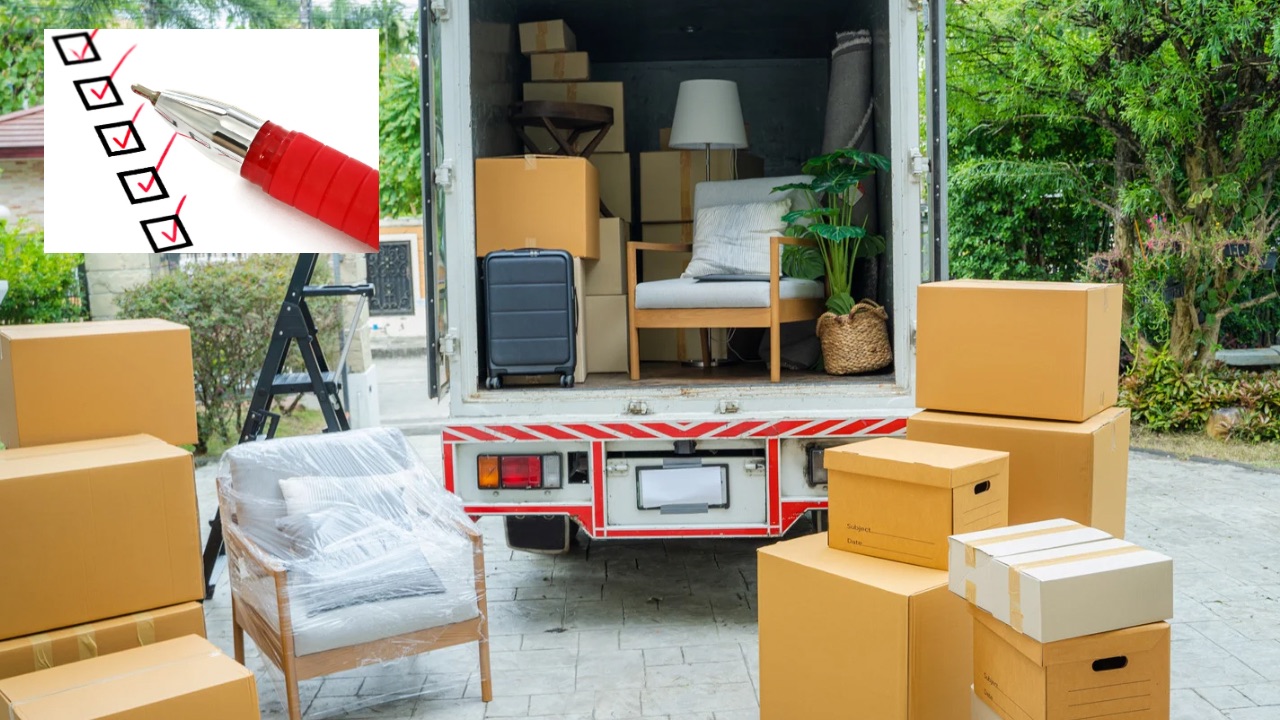
Relocating can be an exciting opportunity, but getting from one home to another often involves a surprising amount of work. Packing, transportation, paperwork and everyday responsibilities can quickly compete for attention. Rather than relying on a traditional moving checklist alone, a few creative approaches can make the process more organized and manageable.
Turn Packing Into a Visual System
Labels are useful, but a visual packing system can make moving day even simpler. Assign each room in the new home a color, then mark corresponding boxes with coloured tape or stickers. For example, kitchen boxes might be yellow while bedroom boxes are blue.
Place matching coloured signs on the doors of the new rooms. Movers, friends and family can then see where boxes belong without repeatedly asking for directions.
Numbering boxes adds another layer of organization. Keep a simple list on your phone showing what is inside each numbered box, making specific possessions much easier to locate.
Create a Moving-Day Survival Kit

One common relocation mistake is packing absolutely everything. Certain possessions should remain accessible until the rest of the home is organized.

Prepare a suitcase or backpack containing clothes, toiletries, medication, chargers, important paperwork, snacks and basic kitchen supplies. Think of it as packing for a short trip rather than moving house. You can live comfortably for the first couple of days without digging through stacks of boxes.

Families can create individual kits so everyone has immediate access to their essentials.

Outsource the Most Complicated Jobs
Doing everything yourself is not always the cheapest or most convenient option. Identify which parts of the move will consume the most time and consider outsourcing them.
Vehicle transportation is a good example, particularly when moving a considerable distance. Comparing Mesa car transporters can provide an alternative to driving the vehicle yourself, potentially allowing you to concentrate on other aspects of the relocation.
Other tasks worth delegating could include cleaning, furniture assembly, pet care or packing particularly fragile possessions.
Photograph Before Taking Things Apart
Your phone camera can become one of your most useful moving tools. Before dismantling furniture, photograph how the pieces fit together. Take pictures of the back of televisions, computers and entertainment systems before disconnecting cables.
Photographs can also document the condition of valuable belongings before transportation. At the new property, these images provide a quick visual reference when putting everything back together.
Give Yourself an Unpacking Deadline
Without a plan, half-opened boxes can remain around a new home for weeks. Instead, create small unpacking targets.
Prioritize the rooms that make everyday life possible, such as the bedroom, bathroom and kitchen. Decorative items, books and seasonal possessions can wait. Setting aside an hour each evening for one particular area can feel far less exhausting than attempting to unpack the entire property immediately.
Make the New Location Feel Familiar
Relocation is about more than transporting possessions. Familiarity can make a new environment feel comfortable sooner.
Before moving, save useful places such as supermarkets, parks, cafés and pharmacies on your phone. Once you arrive, explore the neighborhood rather than spending every spare moment unpacking. Establishing a few new routines can help turn an unfamiliar location into somewhere that quickly begins to feel like home.
A Smarter Approach to Moving
Making relocation easier does not necessarily require doing less; it often means organizing tasks differently. Visual packing systems, carefully chosen outsourcing, digital tools and realistic unpacking goals can remove unnecessary complications. With a little creativity and forward planning, moving can become a much smoother transition into the next chapter.