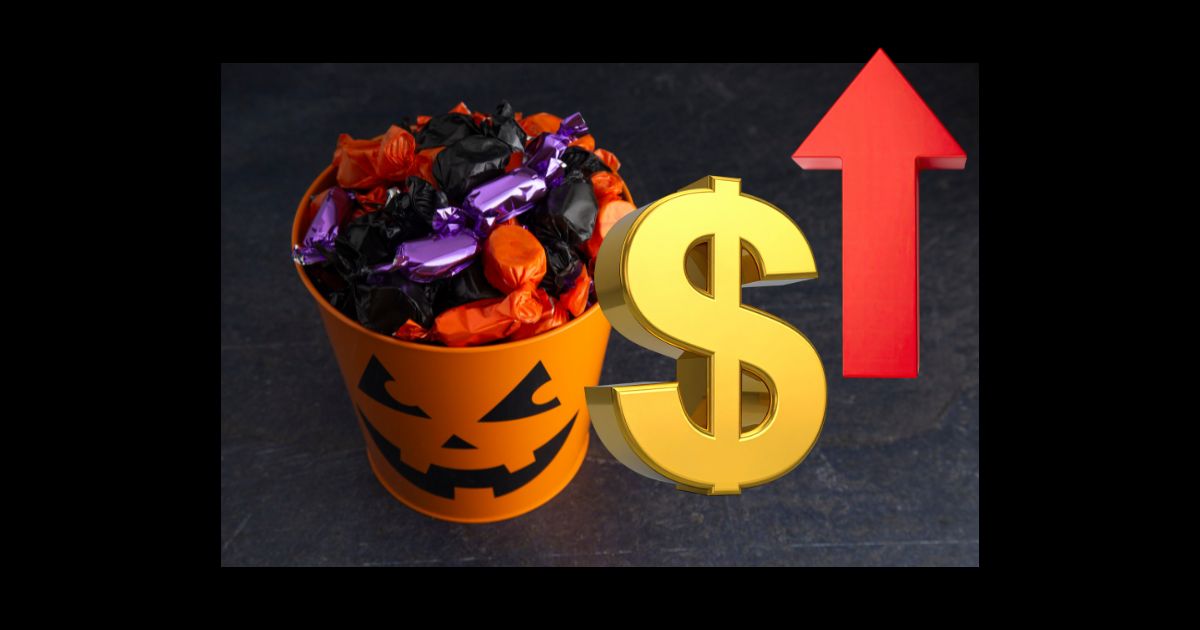
Halloween candy prices have surged 15.3% over the past year, significantly outpacing overall inflation and adding another expense for families preparing for the holiday, according to a new analysis from Groundwork Collaborative and the Century Foundation.
The report found substantial price increases among some of the nation’s largest candy manufacturers, including Hershey, Mondelez International and Ferrero.
Mondelez, which produces Sour Patch Kids and Swedish Fish, increased prices on gummy candy packs by 39%. Hershey raised prices on seasonal peanut butter cups by 23%, while Ferrero, the company behind Butterfinger, Crunch, Baby Ruth and 100 Grand, increased chocolate candy pack prices by nearly 19%.
The two policy organizations argue that candy companies have continued charging higher prices despite receiving relief from certain federal tariffs.

According to the analysis, Hershey and Mondelez reported year-over-year profit margin increases of 50% and 30%, respectively. Hershey also received a $9 million tariff refund.

However, candy manufacturers continue to face higher production expenses, including rising ingredient and packaging costs. Tariffs on aluminum and increased costs associated with geopolitical tensions have contributed to those pressures.

The price increases come as millions of Americans prepare to celebrate Halloween.
The National Retail Federation estimates that 74% of Americans plan to participate in Halloween festivities this year. Meanwhile, a LendingTree survey found that 40% of parents with children under 18 expect to take on debt to cover holiday expenses.
For many households, Halloween spending follows an already costly back-to-school season, with parents facing additional expenses for costumes, decorations and candy.

Elizabeth Pancotti, vice president of policy and advocacy at Groundwork Collaborative, said rising consumer prices are forcing families to make difficult financial decisions.
Kyle Moore, chief economist at the Century Foundation, similarly warned that higher candy and costume prices are creating additional financial challenges for parents.
The report raises questions about how much of the rising cost of Halloween candy reflects increased manufacturing expenses and how much can be attributed to pricing decisions by major candy producers.
For consumers, the immediate impact is straightforward: Families planning to hand out candy this Halloween may find themselves paying considerably more than they did a year ago.