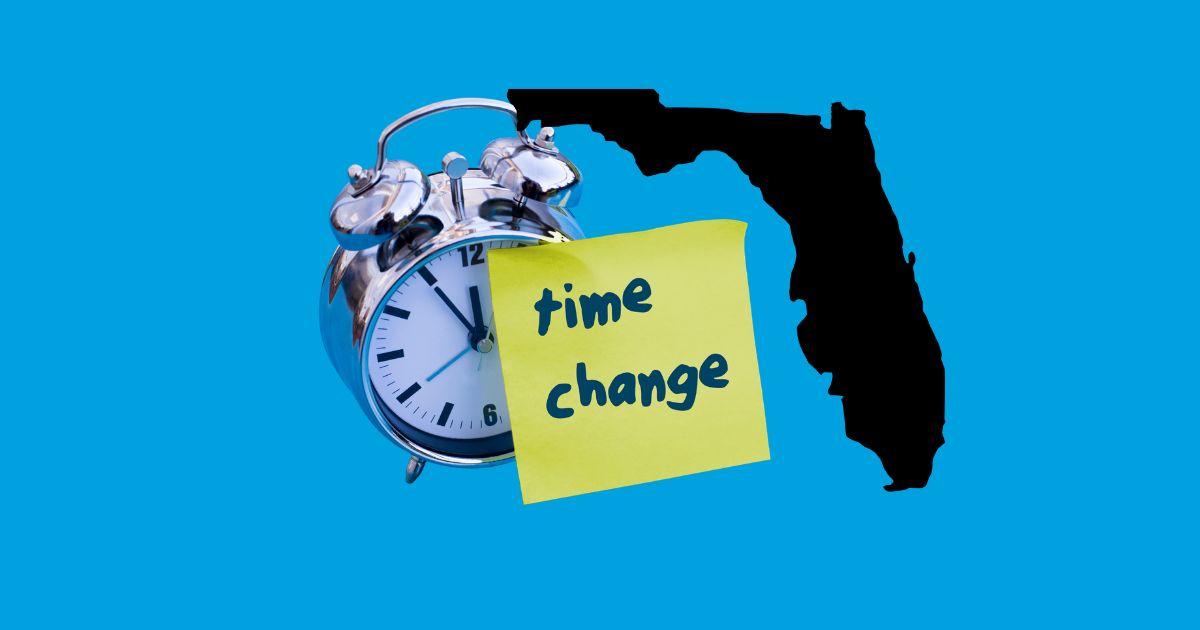
Floridians turned their clocks back an hour on November 1, eight years after state lawmakers voted to stop doing exactly that. The extra hour of sleep will feel good for a few days. For millions of adults with untreated sleep apnea, it will barely register.
A Clock Fight Eight Years Old
In 2018, then Governor Rick Scott signed legislation that would keep Florida on daylight saving time all year, but only with federal approval. That approval still has not come. Now a U.S. senator, Scott has kept pushing the federal Sunshine Protection Act, and the House passed its version, H.R. 139, on July 14, 2026. The Senate has not taken it up.
Sleep scientists are not cheering. The American Academy of Sleep Medicine supports permanent standard time instead, arguing that morning light lines up better with the body’s internal clock. The debate in Washington is about which hour Floridians should live by. The quieter health problem is how many of them stop breathing normally once they fall asleep.
The Sleep Problem the Clock Can’t Fix
Obstructive sleep apnea happens when the airway relaxes and narrows during sleep, so breathing repeatedly stops and starts. A Frost & Sullivan analysis published by the American Academy of Sleep Medicine estimated that it affects 29.4 million American adults, about 12 percent of the adult population, and that leaving it undiagnosed costs the country nearly $150 billion a year.


The effects of a clock change fade within about a week. Untreated sleep apnea interrupts sleep every night, and over time it is linked to high blood pressure, heart disease, stroke and drowsy driving.
Why Florida Should Pay Attention
Sleep apnea becomes more common with age and excess weight, and Florida has one of the oldest populations in the country. The state also logs long drives on busy highways and runs on shift work, from hospitals to theme parks to the hospitality jobs that keep tourism moving. Daytime sleepiness in any of those settings is a safety issue, not just a nuisance.

Signs Worth Taking Seriously
Many people with sleep apnea do not know they have it, and a bed partner usually notices first. Common warning signs include:
- Loud, regular snoring
- Pauses in breathing, choking or gasping during sleep
- Waking with a headache or a dry mouth
- Feeling tired during the day after a full night in bed
- Trouble concentrating, or nodding off while reading, watching TV or driving
Treatment Has Changed
CPAP, a bedside machine that keeps the airway open with pressurized air through a mask, is still the standard first treatment and works well when people use it. Many patients find the mask hard to live with, though, and quietly stop. That matters, because treatment only helps on the nights it is used.
There is another option. A joint clinical practice guideline from the American Academy of Sleep Medicine and the American Academy of Dental Sleep Medicine recommends that sleep physicians consider oral appliance therapy for adults with obstructive sleep apnea who cannot tolerate CPAP or prefer an alternative. It also suggests a custom, adjustable appliance fitted by a qualified dentist rather than an over the counter device. These appliances hold the lower jaw slightly forward during sleep to keep the airway open, and they fit in a pocket when traveling.

For Central Florida residents who have given up on CPAP, a conversation with a sleep apnea doctor about a custom oral appliance can be a practical next step.
Where to Start
Diagnosis begins with a sleep study, and many people can now complete one at home in their own bed instead of spending a night in a lab. A primary care physician is one place to begin. In the Orlando area, patients can also start with a sleep doctor such as the team at Sleep Solution Centers in Lake Nona, which offers home sleep testing alongside oral appliance therapy and other CPAP alternatives.
The Clock Debate Will Go On
Whether Congress locks the clock on daylight time, standard time or neither, Floridians will keep arguing about the hour on their microwaves. The more useful question for anyone who snores loudly or wakes up tired is whether they are breathing well through the night. That answer starts with a sleep study, not a vote in Washington.