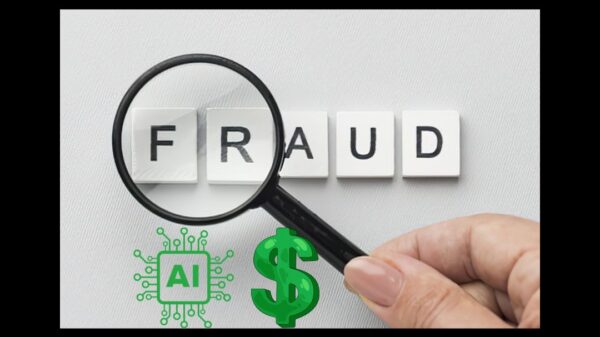
With hurricane season approaching and 2025 expected to bring above-average storm activity, a new report exposes the alarming scale of post-disaster scams.
According to data from the U.S. Census Household Pulse Survey (CHPS), 51% of Florida residents affected by natural disasters were targeted by scams in the aftermath. Over 700,000 Florida residents were displaced by natural disasters last year – with more than 500,000 displaced by hurricanes.
CHPS shows that in Florida, 3.9% of the population, roughly 700,000 people, were displaced by natural disasters last year. This is the 3rd highest proportion of any state.


Over half of these disaster-displaced residents reported being targeted by scams in the month following the disaster.
21% experienced “lots” of scam activity, 50% encountered “some” scam activity, and 29% dealt with “a small amount” of scam activity.
Florida’s 50% is actually below the national average of 62%.

Jacob Petrosky, founder of Instant Roofer. from Instant Roofer, a platform that connects homeowners with trusted roofing contractors says if your home has been damaged, you may come across seemingly helpful contractors offering quick repairs for a seemingly good price. But always be cautious of anyone approaching you. Always work with licensed, insured professionals, and take the time to research any contractor – check their reviews, verify their credentials, and ask to see examples of their previous work.
“Be especially wary of high-pressure sales tactics, such as demands for upfront payment, urgent ‘act now’ offers, or deep discounts that seem too good to be true. Never rely on verbal agreements. Get everything in writing: the scope of work, timeline, cost, and any warranty terms,” said Petrosky.
Jacob also warns that “post-disaster scams aren’t limited to shady contractors. After a disaster, people also fall victim to fake FEMA representatives, fraudulent charities, or identity theft scams involving phony relief applications and utility shutoff threats.”