Gov. Ron DeSantis signed two pieces of legislation in Bradenton this week that his administration says are designed to protect Florida taxpayers, increase local government accountability, and support future property tax relief efforts.
DeSantis signed Senate Bill 4-F and House Bill 1329, measures focused on limiting local property tax increases and requiring counties and municipalities to provide more detailed financial information to the public.
“Florida has reduced its budget for four straight years and has demonstrated fiscal responsibility and respect for taxpayers,” DeSantis said. “Now, we are stepping in to protect taxpayers from taxes at the local level.”
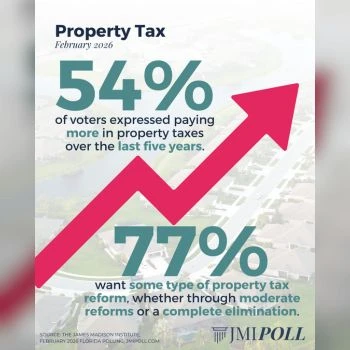
Senate Bill 4-F is tied to the proposed constitutional amendment known as “Save Our Homes from Excessive Property Taxes,” which is expected to go before voters in November 2026. The bill changes how local governments calculate the maximum property tax rate they can approve with a simple majority vote.
Under current law, local governments can increase the rolled-back rate based on growth in Florida’s per-capita personal income. The new legislation removes that adjustment and generally limits the maximum levy to the standard rolled-back rate.

The bill also raises the approval threshold for local governments that want to adopt millage rates above the rolled-back rate. Millage rates up to 110 percent of the rolled-back rate will require a two-thirds vote of the governing body. Rates above 110 percent will require unanimous approval, a three-fourths vote for larger governing boards, or approval from voters through a referendum.

Supporters of the measure say the changes will make it harder for local governments to raise property tax collections without broad public support.
The legislation also allows expanded ballot summary language for the proposed constitutional amendment, which state officials say will give voters a clearer explanation of the measure when it appears on the 2026 ballot.

DeSantis also signed House Bill 1329, known as the Local Government Financial Transparency and Accountability Act. The measure requires counties and municipalities to publish detailed financial information online, including budget summaries, revenues and expenditures, departmental spending, staffing information, reserve levels, fund balances, and other budget documents.
The bill also requires local governments to issue quarterly reports on employee compensation and establish annual budget development calendars.
One of the most significant provisions of HB 1329 requires local governments to conduct a budget reduction exercise before adopting a final budget. Local officials must identify ways to reduce proposed spending by 10 percent without affecting essential services such as law enforcement, fire protection, and other legally required government functions.
Chief Financial Officer Blaise Ingoglia praised the legislation, saying it would give Floridians more information about how local governments spend taxpayer dollars.
“Local governments have continued to grow their budgets by resorting to scare tactics like threatening cuts to essential services,” Ingoglia said. “This pivotal piece of legislation pulls the curtain back on local government’s wasteful spending so that Floridians are better equipped to hold their local officials accountable.”
The DeSantis administration says the new laws build on broader efforts to reduce the tax burden on Florida families and increase oversight of local government spending.
Together, the measures are intended to provide stronger protections against property tax increases, give taxpayers greater access to local budget information, and increase accountability for elected officials responsible for managing public money.