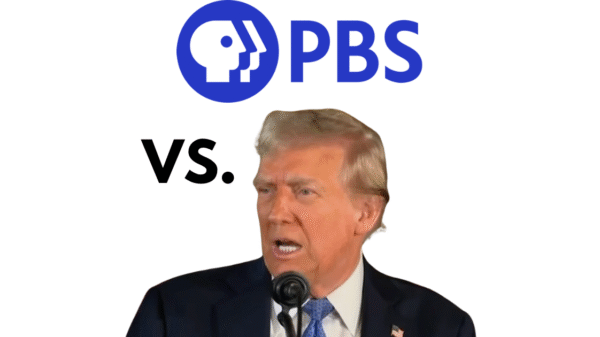
After President Donald Trump signed a bill that ended federal funds from going to the Corporation for Public Broadcasting (CPB), the organization now has announced that it will be shutting down after being defunded.
CPB, which oversees funding for PBS and NPR stations, said 70% of its operating dollars came from the federal government.
NPR stations in Florida are also complaining that Gov. Ron DeSantis’ veto of $6 million to fund public media will hurt their news coverage, which audience members rely on.
However, while some NPR station managers are telling local media outlets that receiving less state and federal funding will hurt them, that isn’t entirely accurate.
For years, local Florida city and county governments have funded public broadcasting stations in their areas using taxpayer dollars. The dollars allocated to these stations often go through the arts funding portion of a city or county budget.
Along the Space Coast, the Brevard County Commission would fund hundreds of thousands of dollars in their budgets for “The arts,” and inside the arts funding was thousands for the local NPR radio station.


It’s the same in Jacksonville. Local tax dollars through the arts section of their city budget fund the local PBS and NPR station.
One person who has been trying to eliminate tax dollars going to Jacksonville’s NPR and PBS stations is Councilman Rory Diamond.

“These people at NPR keep claiming they will lose money, but that isn’t happening. They may not be getting it on the federal side, but they will still be getting tax dollars locally from city government,” said Diamond.
In South Florida, government dollars used for local public broadcasting will continue.
This year, Palm Beach County will allocate approximately $1.6 million to art organizations, which include local public radio stations.
The Cultural Council for Palm Beach County controls the dollars. They say the money that is spent comes from art and culture grants.
Many of the programs that receive the money are nonprofits, local arts foundations, opera houses, zoos, science centers, and local public broadcasting.
Several of these groups receive over $100,000 a year of taxpayer dollars.
“It doesn’t matter what you call the funding sources, a grant or whatever, local tax dollars still fund it,” said Councilman Diamond.
But can local public broadcasting survive without government funding?
They have demonstrated their ability to raise substantial donations from viewers and listeners, as well as grants from various organizations and significant corporate sponsorships.