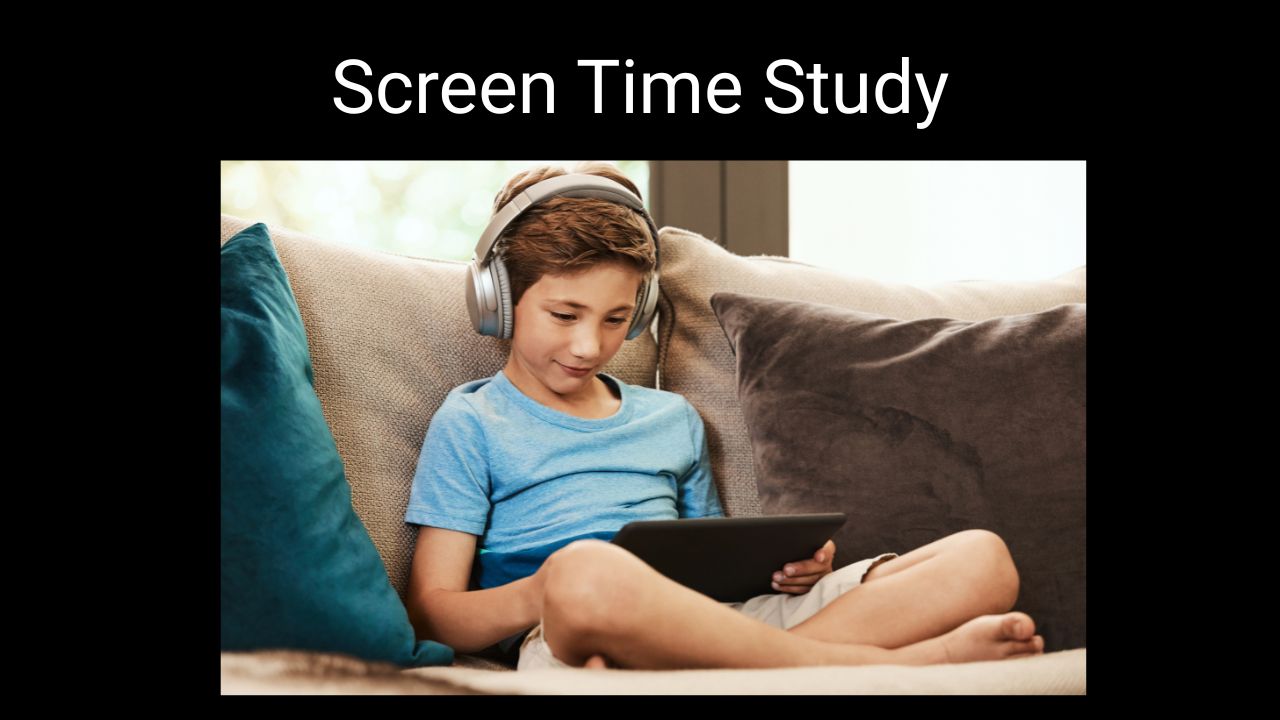
New research from the Journal of the American Medical Association on screen use and child development found that more screen exposure was linked to lower academic achievement, poorer language development, and higher rates of emotional, behavioral, and peer-related problems.
Adding to those concerns, other research shows many preschoolers spend more time on screens than recommended:
Nearly half of American 3-year-olds use a tablet, iPad, or Kindle, many with few or no restrictions, according to a national parenting survey.
Parents or caregivers of more than half of children ages 3 to 5 report that their child uses screens for two or more hours daily.


That is at least twice the one-hour daily limit the American Academy of Pediatrics recommends for ages 2–5.
Separate studies have also linked early screen exposure with attention and executive-function difficulties, problematic media use, and poorer emotional functioning.

So, what advice should parents follow about screen time and their child’s readiness for kindergarten?
The American Academy of Pediatrics recommends a one-hour daily limit for children ages 2–5.
John Nix, Regional Director of Operations at Archway Academy, says parents and preschool teachers have many options.

“Work together on kindergarten readiness, and what does that cooperation look like day to day? What are you noticing among children in terms of social skills, fine motor skills, and independence? What are families telling you about their screen habits at home?” says Nix
Nix says that beyond classroom learning, young children should use movement, outdoor exploration, and play to strengthen those skills.
“But the most important is getting parents and teachers on the same page to make sure the child is making progress, and what should they do when a child needs additional support before kindergarten,” said Nix.