By Edward ‘Eddie’ Ng, AICP
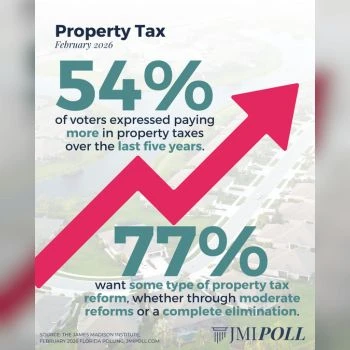
Florida voters now face a consequential decision: whether to put Amendment 3 into our state Constitution. It promises homeowners a smaller property tax bill. That sounds appealing, especially as families across the state struggle with rising costs.
But as we make that decision, we must consider whether those savings could be outweighed by higher everyday expenses and fewer community services.
Amendment 3 would dramatically increase the homestead exemption for non-school property taxes over the next two years while changing other parts of Florida’s property tax system. The savings on a homeowner’s tax bill are easy to understand. What happens to the communities those dollars currently support is harder to answer.


As a Florida planner, I understand why property-tax relief seems like an easy sell. People working hard to stay in their homes deserve a serious response to rising costs. But before deciding whether Amendment 3 makes life more affordable, we need to look beyond one line on the property tax bill.
Planning means deciding what a community can sustain year after year. A road project needs money for construction and long-term maintenance. Transit systems need dependable funding to keep people moving. Parks, public-safety services, infrastructure and neighborhood improvements depend on employees and operating dollars. When future revenue is uncertain, even deciding when to move forward becomes harder.

Those aren’t abstract government expenses. They are part of what it costs to live, work and raise a family in Florida.
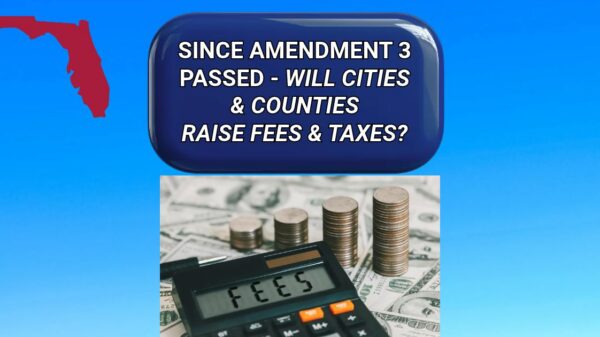
That uncertainty can reach household budgets in other ways. If local governments respond to lost revenue with higher fees or tax rates, landlords and businesses could face additional costs. Residents could then feel those costs through higher rents and everyday prices. If communities instead reduce services or delay projects, families may spend more on transportation, childcare or other needs that public programs once helped meet.
Think about daily travel, not just the morning commute. Fewer transit options or delayed road projects can mean more time in traffic, more rideshare trips or the expense of maintaining another car. That is time and money families won’t be able to use toward groceries, housing, and the people they love.

And those tradeoffs will not look the same everywhere. Florida’s communities have different needs, budgets, and pressures. What matters to a growing Central Florida community may look different from the challenges facing the Panhandle, Southwest Florida or the state’s major urban areas. But every community still has to balance what residents expect with the resources available to provide it.
The larger question remains unanswered: How would Florida communities replace the revenue Amendment 3 removes? Without a reliable answer, voters are being asked to approve a constitutional change before they can judge how their own communities would continue paying for the services they expect.
A smaller tax bill matters. But it cannot, by itself, guarantee that a family comes out ahead. As Floridians make their final decision on Amendment 3, we should look beyond what it promises to save us at home and ask what it could cost us everywhere else.