Over the last month, Florida’s rainfall deficit has improved, but there are still plenty of areas where water restrictions remain.
Earlier this year, the St. Johns River Water Management District (SJRMD) implemented new guidelines in response to the state’s prolonged dry conditions, and now the District’s Phase III Extreme Water Shortage declaration remains in place among certain communities.
Mandatory restrictions remain in place, including:
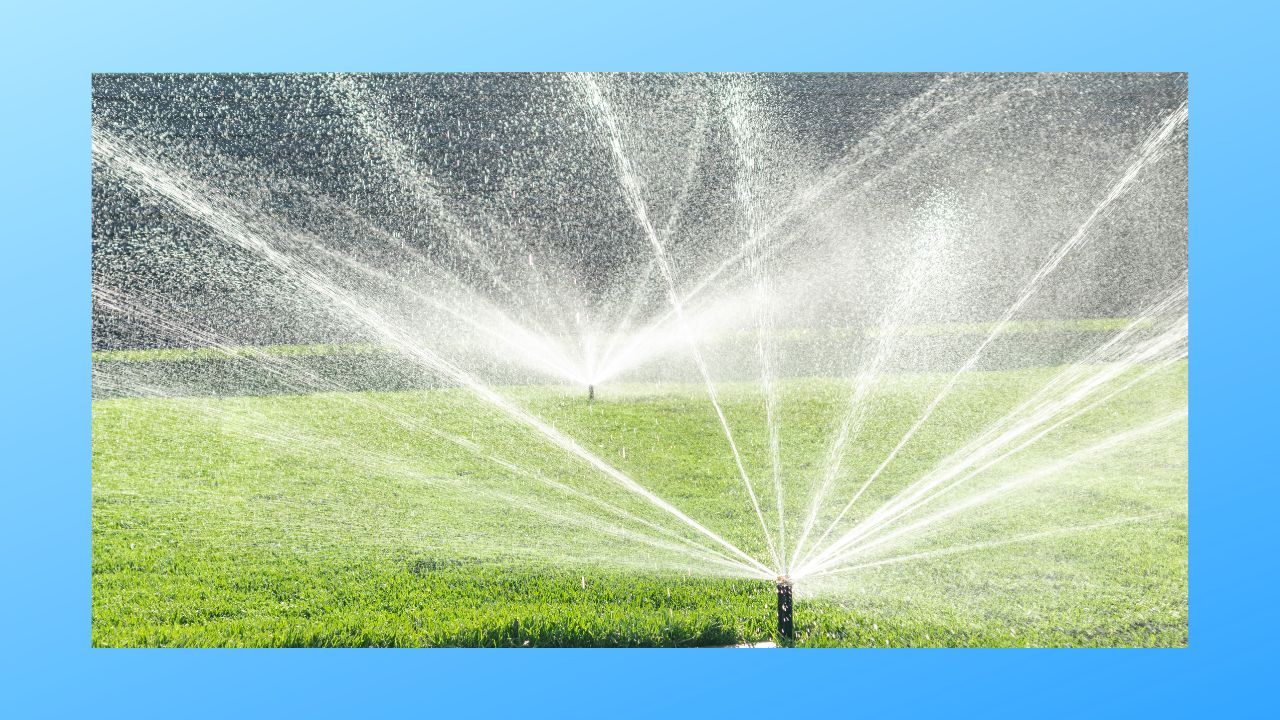
Residential and commercial properties are limited to one day per week of landscape irrigation. Landscape irrigation is prohibited between 8 a.m. and 6 p.m. daily.
Commercial and industrial users must suspend certain non-essential water uses. Golf course fairway irrigation is limited to one day per week.

Aesthetic water use, such as decorative fountains, is prohibited. Street and pressure washing activities face additional restrictions.

Irrigation restrictions for new plantings, including sod, have been tightened.
Outdoor irrigation continues to be one of the largest uses of potable water.

“While recent storms have produced localized improvements, many areas remain well below normal rainfall totals and require additional widespread rainfall to return to typical conditions,” said the district.
Recently, portions of the Lower St. Johns River Basin continue to experience some of the largest rainfall deficits within the District. Deficits vary by location, with some areas remaining more than 12 inches below average over the previous 12 months.
Duval County: 13.74 inch rainfall deficit
Clay County: 13.77 inch rainfall deficit
Nassau County: 11.72 inch rainfall deficit
Putnam County: 12.21 inch rainfall deficit
The SJRMD said they will continue evaluating the rain conditions and determining when water shortage restrictions can be modified or removed. Until then, conservation remains a key tool for supporting water resource recovery throughout the region.