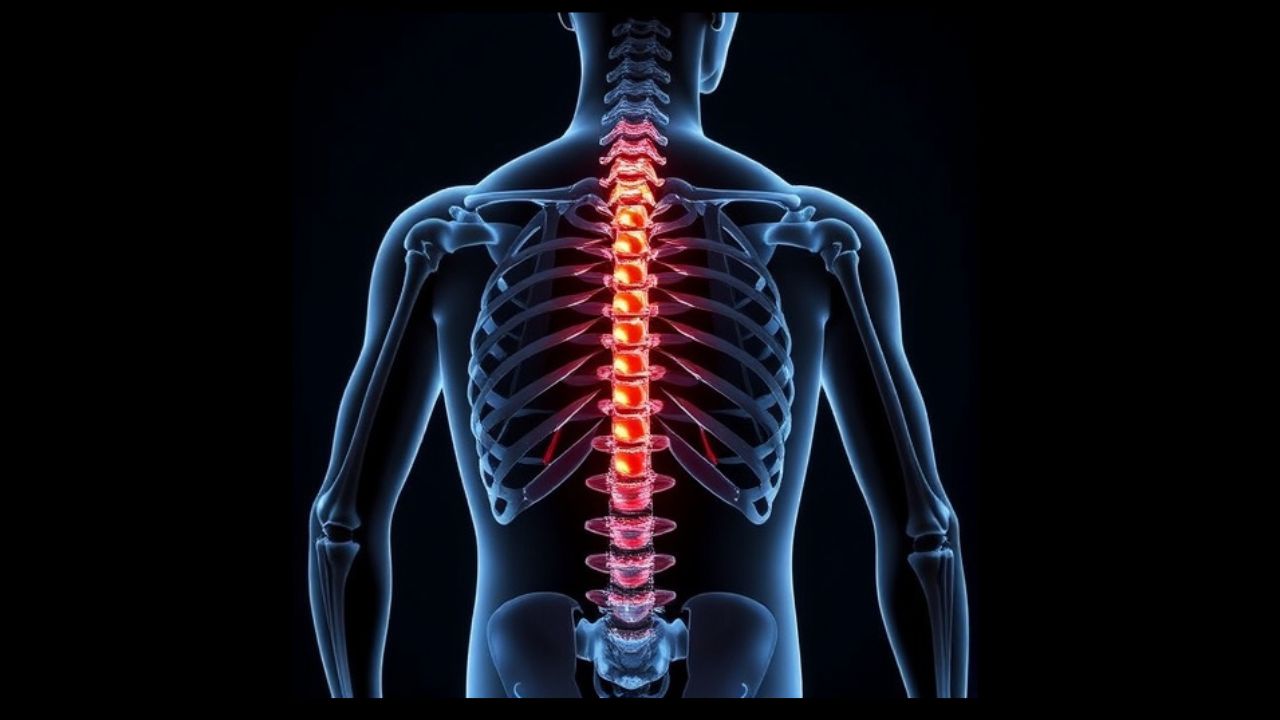
Chronic pain changes how a person moves through daily life, and many people turn to spinal cord stimulators hoping for relief rather than more hardship. But the numbers tell a more complicated story. A 2025 retrospective cohort study out of Saint Louis University, published in Neurology International, found failure rates reaching as high as 44% among implant recipients. Broader research places overall complication rates anywhere between 21% and 63%, covering issues such as lead migration, infection, and diminishing pain relief over time.
For patients in St. Louis, MO, these figures are more than statistics. They represent real people facing repeat surgeries, unexpected costs, and questions about what went wrong. When a device fails, or a provider overlooks warning signs, understanding your legal options matters. Speaking with a spinal cord stimulator lawyer can help clarify whether your experience points to a preventable error. Knowing when that conversation should happen often makes all the difference in protecting your rights.
After a Warning Sign
New weakness, numbness, burning pain, swelling, drainage, or unusual shocks deserve prompt medical assessment. Symptoms may result from infection, lead movement, device breakage, tissue irritation, or another complication. Patients should record the following:
- When changes began
- What activities increase discomfort
A spinal cord stimulator lawyer can examine treatment records, imaging, device information, and surgical details to determine whether a product defect, negligent care, or inadequate warning contributed to the injury.

Serious Symptoms Require Prompt Action
Emergency care takes priority over legal consultation when paralysis, loss of bladder control, severe weakness, high fever, confusion, or rapidly spreading redness develops. These signs may indicate infection, spinal compression, or neurological injury. Physicians can stabilize the patient and document clinical findings. Such records may later help establish the timing, seriousness, and likely source of the harm.

Repeated Treatment Can Signal a Larger Problem
Multiple emergency visits, revision operations, injections, or therapy appointments may point to an unresolved device complication. A careful review compares the patient’s health before implantation with later symptoms and functional limitations. That timeline can clarify whether the stimulator shifted, fractured, overheated, or damaged surrounding tissue. Financial records may also support claims for medical costs, missed work, transportation, and continuing care.

Device Recalls and Safety Notices
A recall or manufacturer warning can provide important background about these implantable pain management devices for an injury review. Patients should keep letters, emails, model numbers, instruction manuals, purchase records, and explanted components as evidence. The device should not be discarded if it remains available. Counsel can compare safety information with operative notes and diagnostic findings. Potentially responsible parties may include a manufacturer, distributor, hospital, surgeon, or another provider.
Concerns About Surgery or Follow-Up Care
Surgical concerns may arise if leads were placed incorrectly, warnings were overlooked, or known risks were not explained. Follow-up problems can also matter if persistent pain, fever, drainage, or neurological changes were dismissed. Medical negligence claims usually require expert testimony about accepted clinical practice. A timely review allows counsel to assess whether the care met professional standards and caused avoidable harm.
Evidence Should Be Preserved
Patients should request complete charts, operative reports, imaging studies, prescriptions, billing statements, employment records, and discharge instructions. A symptom diary can capture pain intensity, mobility limits, sleep disruption, and missed activities. Photographs may show swelling, burns, incision changes, or visible movement. Families should store these materials securely. Proper preservation reduces the risk that key information will disappear or become difficult to verify.

Legal Deadlines May Arrive Quickly
Filing periods vary by state, injury category, defendant, and the date a patient discovered the suspected harm. Claims involving public hospitals may require advance notice within a shorter period. Product cases can carry separate limits for personal injury, warranty, or property damage theories. Counsel can calculate the controlling deadline and examine possible exceptions. Delays may bar recovery even when medical evidence appears persuasive.
Insurance Contact Does Not Replace Legal Advice
An insurer may request recorded statements, medical authorizations, employment details, or settlement paperwork soon after an injury. Patients should review each request carefully and avoid guessing about symptoms or future treatment. An early statement can influence later arguments about causation and loss. Legal counsel can handle communications, evaluate proposed payments, and help determine whether an offer considers the patient’s full needs.
Questions for an Initial Consultation
A first consultation may cover the implantation date, device model, symptoms, medical providers, corrective procedures, and income changes. Patients should bring records and describe events accurately, including facts that seem inconvenient. Counsel may explain potential defendants, evidence requirements, expected stages, and fee arrangements. The meeting does not obligate anyone to file suit. It provides a clearer basis for deciding what should happen next.
Families May Need to Act
A serious stimulator injury can alter household income, caregiving duties, transportation, and emotional health. Relatives may help organize appointments, preserve documents, track expenses, and communicate with providers. If the patient cannot manage these tasks, an authorized representative may assist. Counsel can explain who may pursue compensation and whether family members have independent claims for lost support or related expenses.
Conclusion
A lawyer should be considered when spinal cord stimulator symptoms persist, corrective treatment becomes necessary, or losses extend beyond ordinary recovery. Emergency medical care remains the priority, while legal preparation protects records and preserves potential claims. Patients can gather documents, retain device materials, and avoid unsupported statements about fault. Timely advice may help identify responsible parties, estimate future expenses, and show which path to take when seeking compensation.