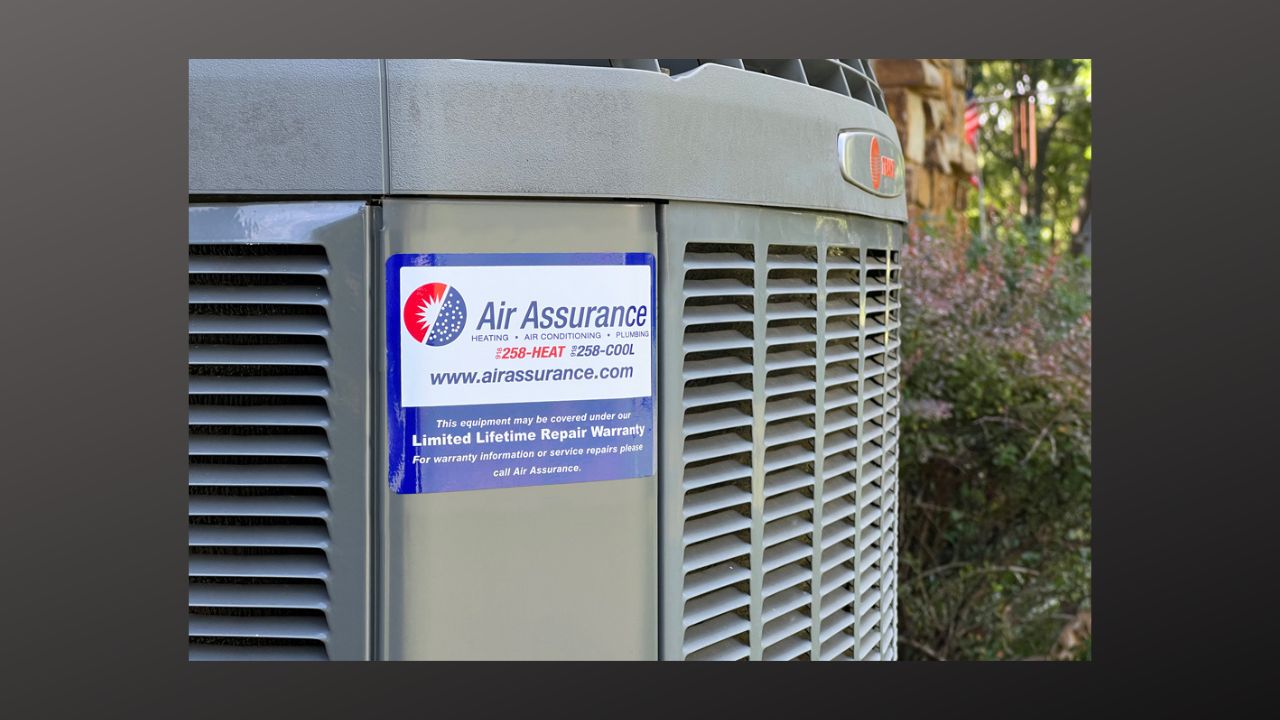
Service efficiency rarely slips due to a single major failure. More often, small delays pile up at the unit, inside the truck, or during a call back to the office. Technicians lose minutes confirming model details, checking service dates, or reading unclear notes. Those minutes affect route capacity, invoice timing, and repeat visits. A simple label reduces that friction by putting useful information where the work actually happens.
Clear Labels Save Minutes
Managers often focus on dispatch software, training plans, and stock control. Those tools matter, yet field speed still depends on what a technician sees at first glance. Well-placed HVAC stickers can display maintenance dates, wiring notes, equipment identification, and safety reminders in one visible spot. That quick reference reduces hesitation and avoidable checks, and keeps the visit moving with fewer interruptions.
Faster Unit Identification
Every call begins with orientation. The technician must confirm system type, age, prior service history, and any cautionary notes before touching components. Clear labels shorten that opening step. Instead of sorting through faded handwriting or mixed records, crews scan one readable marker. That habit saves time and lowers the chance of confusing nearby units in apartment buildings, on rooftops, or in commercial mechanical rooms.
Better Maintenance Tracking
Routine service depends on timing that stays visible. Filters, belts, coils, and drains all follow intervals that should be easy to confirm on site. When those dates sit on the equipment, technicians verify prior work within seconds. That clarity helps teams avoid repeated tasks or missed items. It also improves continuity when one employee finishes work that another person started.

Safer Jobsite Decisions
Critical warnings need to stay near the work area. Voltage alerts, disconnect instructions, refrigerant details, and airflow notes are more useful on the cabinet than in memory. A direct label supports sound judgment during rushed service windows. Summer demand often compresses schedules and shortens reset time between calls. Visible prompts help crews act carefully while maintaining pace across a long day.

Fewer Office Interruptions
Office staff lose momentum when technicians must call for facts tied to the equipment itself. A missing install date or unclear model number can trigger extra back-and-forth. Labels remove many of those routine questions. Field crews confirm basic information on-site, then continue diagnosis without delay. That leaves dispatch focused on scheduling, customer updates, and parts coordination rather than repeated fact checks.

Stronger Brand Consistency
Consistency shows up in small details. A neat, standardized label suggests the company follows a method rather than relying on scraps of tape and handwritten reminders. Customers notice that orders are placed during both maintenance visits and urgent repairs. Property managers also benefit from easier record review across multiple systems. That visual discipline builds trust because the equipment appears actively managed and clearly documented.
Training Support for New Hires
New technicians need practical cues while habits are still forming. A well-marked panel can confirm airflow direction, service intervals, or shutdown points without extra supervision. Those prompts support steadier work during the early months of field training. Over time, repeated exposure builds routine recognition. That makes coaching easier and helps newer staff complete visits with better consistency and fewer avoidable questions.
Lower Callback Risk
Callbacks often start with one missed detail. A skipped filter note, an overlooked breaker label, or a wrong unit record can send a crew back to the same address. Clear markers reduce those gaps by keeping essential facts close to the equipment. They do not replace technical judgment. Still, they support accurate follow-through during busy periods when attention is pulled in several directions.

Small Cost, Daily Return
Many efficiency projects require new software, retraining, or larger capital approval. Labels demand far less effort after installation. Once applied, they work during every visit without batteries, passwords, or signal strength. That makes them useful for shops seeking practical improvements with little disruption. Repeated across dozens of systems, one small visual aid can return value through cleaner, faster service habits.
Placement Matters
Location affects usefulness. Labels work best where technicians naturally look first, such as access panels, filter doors, disconnect areas, and maintenance log positions. Readability matters just as much as placement. Dense wording creates clutter and slows the eye. Strong results come from short, focused text that answers one immediate question quickly and without confusion during active service work.
Standardization Wins
A shop gains more from labels when all technicians follow a single format. Standard wording, colors, and layout reduce hesitation during inspection and repair. Crews learn where to find dates, warnings, and unit notes on each job. Familiarity saves time because the search pattern stays the same. Training also improves when new hires meet one consistent system across the service fleet.
Conclusion
Technician efficiency usually improves through small controls that reduce routine friction. Labels fit that role by placing useful facts at the point of service, where attention is already focused. They support faster identification, steadier maintenance tracking, safer decisions, and fewer office interruptions. For companies trying to tighten field performance without adding operational burden, a simple sticker can produce measurable daily value across every route.