Could Florida’s Amendment 3 lead to higher rents?
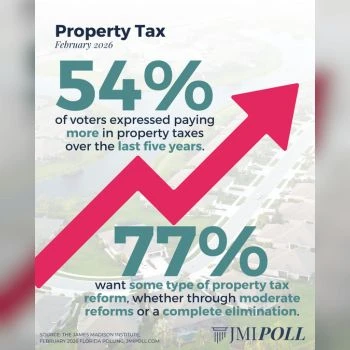
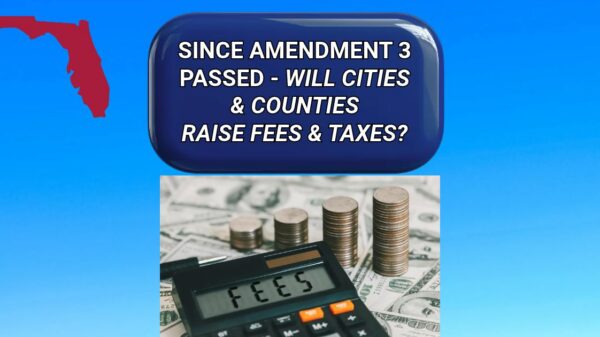
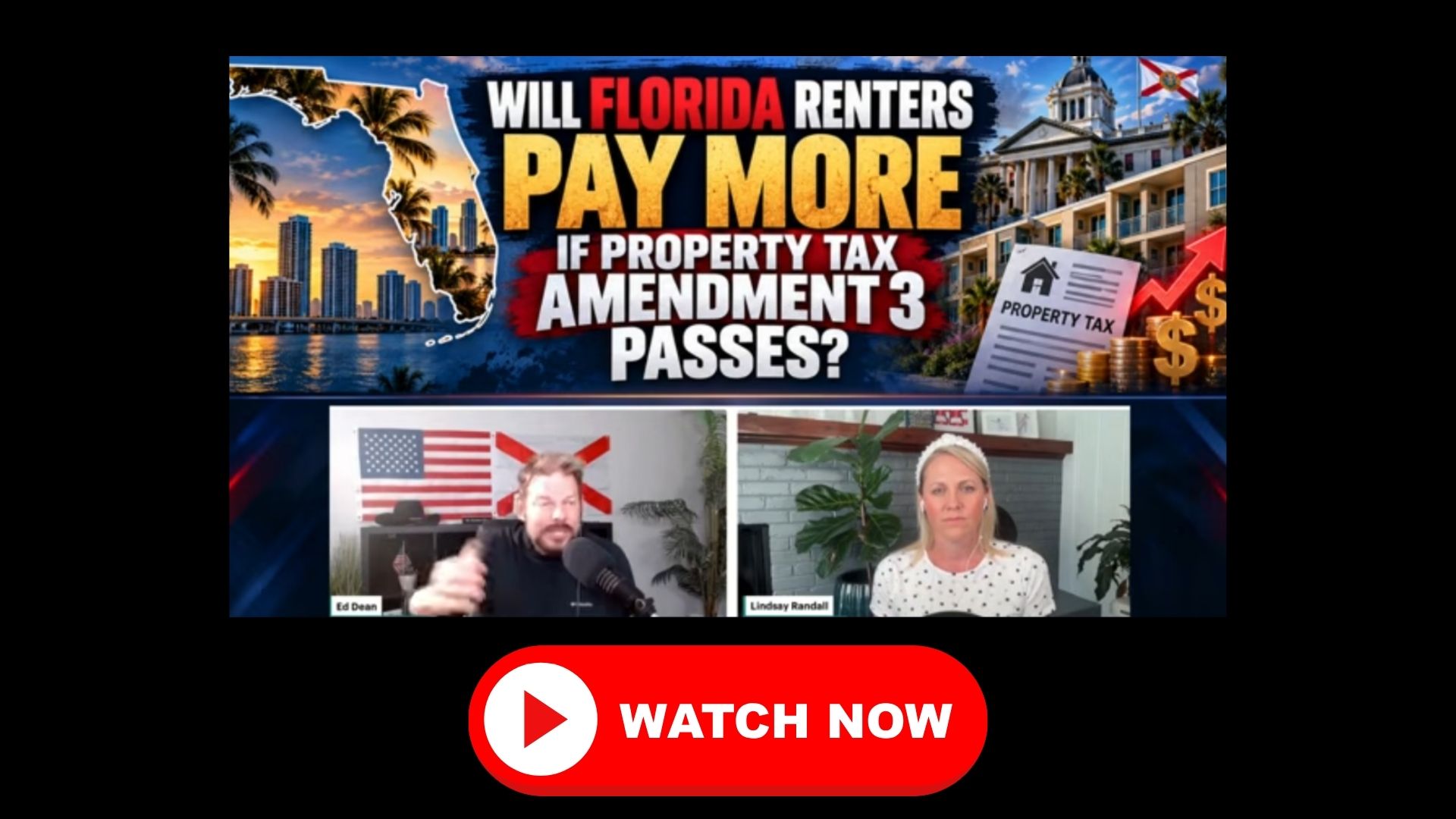
The Florida Housing Coalition and other organizations warn that the amendment could shift more of the property tax burden onto rental property owners — potentially resulting in higher costs for renters.
Florida Daily Show hosts Ed Dean and Lindsay Randall break down the arguments for and against Amendment 3, including the property tax details that may not grab headlines but could have significant consequences for homeowners, landlords and renters.
The transcript of this discussion is below.
Ed Dean: There are a significant number of non-homesteaded property owners here in Florida. One of the biggest debates surrounding Amendment 3 involves those who own homes versus those who rent.
Many people who own rental properties aren’t getting rich. They may have invested their life savings into a property that provides monthly income. If their property taxes increase, they’re going to pass those additional costs along to their tenants.
Some people respond by saying renters should simply buy a home. That’s great in theory, but until housing prices stabilize or come down, or interest rates decline, renting is more affordable for many Floridians.
We need to stop treating renters like second-class citizens. Renters pay property taxes indirectly. They may not write the check to the property appraiser or tax collector, but those expenses are built into their rent.
I’ve heard from property owners who say that if this property tax amendment passes, it won’t really be a tax cut. It will be a tax shift, with renters ultimately paying more.
Lindsay Randall: It certainly could become a tax shift. However, I also believe there’s a strong argument that many cities throughout Florida need to tighten their belts and reduce spending.
That’s something we talk about all the time, Ed. If we’re going to cut taxes, we also need to cut government spending.
I’m absolutely in favor of cutting taxes. My own property taxes keep increasing every year, even though I haven’t made improvements to my house that would explain those increases.
Ed Dean: How many Floridians have actually taken the time to examine their property tax bills?
Most people probably don’t read them closely. It’s almost like reading an insurance policy. There’s so much information that people don’t bother going through it.
But take a look at what you’re paying. You’re funding water management districts, mosquito control and numerous other local government services.
And while we’re talking about household expenses, have you noticed your property insurance premiums going down?
Lindsay Randall: No, mine certainly haven’t gone down.
I’ve been fortunate to stay with my insurance company, but I suspect I’ll see another increase at renewal.
And you’re right about homeowners needing to examine their escrow payments. In my case, the amount going toward escrow is more than what goes toward the principal and interest on my mortgage.
It’s frustrating to look at how little is going toward paying down the house compared with everything else we’re paying.
Is Amendment 3 the Right Approach?
Ed Dean: I support the governor on many issues, but that doesn’t mean I automatically agree with everything he proposes.
I believe this property tax proposal should have been introduced much earlier so Floridians could have had seven or eight months of serious public debate.
Republican legislative leaders also dropped the ball. There was supposed to be a statewide tour with town halls discussing property taxes. Instead, we got very little meaningful public discussion.
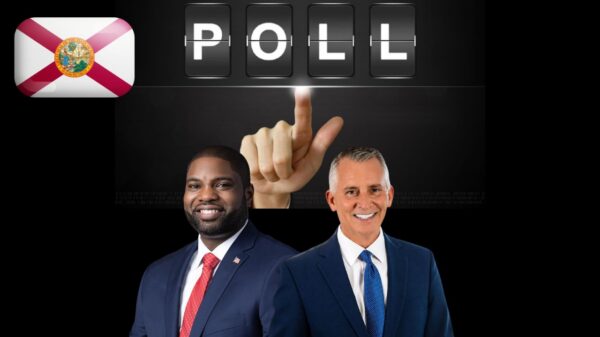
The polling numbers I’ve seen have been around 50%, and I’m skeptical the proposal can reach the 60% threshold needed for approval.
I’m willing to wait another two years if that means getting a stronger constitutional amendment that addresses the underlying spending problem.
For example, we could look at a levy cap or other meaningful property tax reforms.
The proposal doesn’t eliminate the problem for businesses. They’re still going to pay property taxes, and their assessments and tax bills remain an issue.
I can make arguments both for and against this amendment. But I don’t think we’ve had the kind of worthwhile debate this issue deserves.
Opponents argue that reducing property tax revenue could force cuts to government services. I understand that argument. Even the governor has acknowledged that smaller, less affluent communities may need additional financial assistance.
But I’m less sympathetic when larger cities with multibillion-dollar budgets claim they simply cannot reduce spending.
I’d rather see a stronger proposal than rush through something that doesn’t fully address the problem.
Lindsay Randall: My concern is that there’s no guarantee we’ll have the same political makeup in Tallahassee two years from now.
Sometimes you have to strike while the iron is hot.
We shouldn’t make the perfect the enemy of the good. Even if this proposal isn’t perfect, it would provide meaningful relief to at least some homeowners.
Local governments have experienced enormous growth in property tax revenue. There needs to be more scrutiny of how that money is being spent.
Ed Dean: And I think that’s where we agree. Your argument isn’t necessarily that government services shouldn’t be funded. Your argument is that we need to examine those services and determine how much government should actually be spending.
Lindsay Randall: Exactly.
What Government Services Are Essential?
Ed Dean: We have Republican-controlled communities that continue raising local property taxes.
Some of these cities have budgets totaling billions of dollars. Yet there’s very little serious discussion about which expenses are necessary and which are not.
Some local officials seem to be using uncertainty surrounding property tax reform as an excuse to avoid making difficult budget decisions.
But why should governments refuse to examine spending until they know whether an amendment passes?
Florida continues attracting new residents, and that population growth brings additional revenue. In theory, that should help spread the cost of government services across more taxpayers.
Yet local government spending keeps growing.
The real debate should focus on essential versus nonessential services.
What exactly is the proper role of local government? Which services must taxpayers fund, and which expenditures are optional?
Until we answer those questions, we’re not addressing the fundamental property tax problem.
Lindsay Randall: I completely agree.
Are publicly subsidized professional sports stadiums essential government services?
Look at the Jacksonville Jaguars stadium or the Tampa Bay Rays. Where do we draw the line?
At some point, local governments need to learn to operate with less money.
Florida families are having to make difficult financial decisions every day. Government should have to do the same thing.
Could Privatization Reduce Government Spending?
Ed Dean: One of the arguments opponents of property tax cuts make is that local governments will have to reduce funding for the arts, libraries and public parks.
But we should examine those claims more carefully.
For example, do we really need to keep building additional libraries? Could certain public parks or recreational facilities be operated by private companies?
There are examples in Florida of local governments contracting with private companies to manage publicly owned golf courses.
In some cases, the government was struggling to maintain those facilities. Private operators came in, took over day-to-day management and improved the experience.
My father plays at a golf course in the Melbourne area that operates under a private management arrangement.
The local government still owns the facility, but the private company handles operations. Rates may have increased somewhat, but customers are satisfied with the product.
These partnerships can also generate revenue for local governments while reducing operating expenses.
More importantly, shouldn’t the goal be providing taxpayers with quality services at a reasonable cost rather than simply maximizing government revenue?
Why couldn’t private companies maintain public ballfields, parks and other facilities?
If private contractors can provide the same services for less money, taxpayers could save on government payroll, pensions and other expenses.
Why aren’t we having a more serious discussion about privatizing certain government functions?
Lindsay Randall: We already see versions of this approach in education.
Private-sector companies often have the ability to operate more efficiently and effectively.
I would like to see more public-private partnerships in Florida.
Of course, the process needs to be fair and transparent. There should be competitive bidding through a request for proposals, and contracts should be awarded through an open process.
But if a private company can deliver better service at a lower cost, that’s something local governments should consider.
Should Florida Conduct a Comprehensive Government Spending Review?
Ed Dean: I would love to see a serious effort to examine government spending throughout Florida, something similar in concept to a Department of Government Efficiency.
But we have to look beyond simple comparisons of population growth and budget increases.
For example, someone might point out that a city’s population increased by 7% while its budget increased by 25%.
That sounds excessive, but you also have to account for inflation and the rising cost of providing government services.
I’m not defending every local government budget increase. I’m saying we need a detailed examination of which expenditures are justified.
Which programs are efficient? Which aren’t? Which services should continue, and which should be eliminated?
If we conducted that kind of review, I think Floridians would be surprised by how much money could be saved.
We’re potentially talking about millions or tens of millions of dollars that could be returned to taxpayers or placed in reserve funds.
There’s also a tendency for local governments to seek additional state funding rather than address their own spending practices. That’s another issue worth examining.
But ultimately, I keep coming back to renters and businesses.
If property tax relief for homeowners results in higher costs for rental property owners and commercial properties, those expenses could be passed along to tenants and consumers.
I’m willing to acknowledge that risk, even though I strongly support meaningful property tax reform.
I think the bigger priority is controlling spending. If governments reduce unnecessary expenses, that creates an opportunity to reduce property taxes without simply shifting the burden elsewhere.
It’s similar to running a business.
If a company eliminates wasteful spending, it may have more money available to compensate employees, contribute to retirement accounts or improve benefits.
Local governments should operate with that same philosophy.
Lindsay Randall: Exactly.
Ed Dean: That’s where I believe the real debate needs to begin.
If taxpayers could see exactly where their money was going, I think a lot of people would be very upset about some of the expenditures.
Lindsay Randall: I completely agree, but that’s not an easy conversation to have.
Government spending isn’t necessarily the most exciting political topic.
It’s much easier to campaign on a property tax cut than to explain which government programs should be reduced or eliminated.
The Political Challenge of Cutting Spending
Ed Dean: And it’s interesting because whenever I talk about cutting local funding for things like public broadcasting or libraries, some of the strongest criticism I receive comes from Republicans.
It’s not always Democrats who object to reducing government programs.
There are plenty of Republicans who support lower taxes in theory but strongly oppose cuts to particular services.
Lindsay Randall: That’s just because you hate reading, Ed.
Ed Dean: Apparently, that’s my problem!
[Laughter]
Ed Dean: But seriously, these are the discussions Floridians need to be having about property taxes, government spending and how we fund essential services.
Whether you support or oppose Amendment 3, the potential consequences for homeowners, renters and businesses deserve much more attention.
Lindsay Randall: Absolutely.
Ed Dean: For more coverage of Florida politics, public policy and the issues affecting taxpayers, visit Florida Daily.