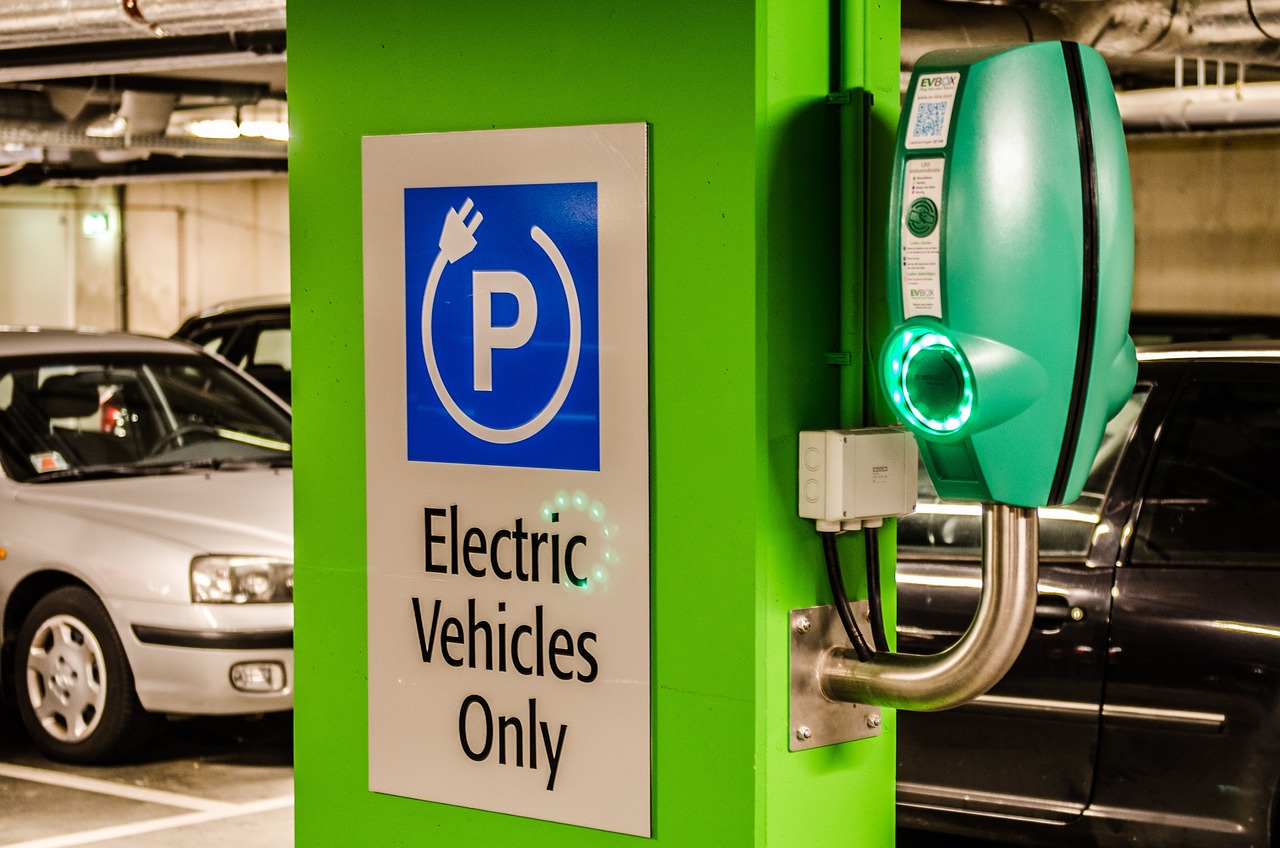
Electric vehicles and plug-in hybrid electric vehicles use Florida’s highway system without paying the Highway Fuel Tax. Although purchasing electricity collects a sales tax, it does not directly contribute to the State Transportation Trust Fund.
As electric vehicles and plug-in hybrid electric vehicles continue to grow in popularity, policymakers are encouraged to consider how their market share affects the state’s ability to invest in transportation infrastructure.
The latest report by Florida TaxWatch shows in 2023, Florida had nearly 255,000 registered EVs and 57,000 registered PHEVs, which is 2,097 percent (EVs) and 467 percent (PHEVs) greater than the number of registrations in 2016. In response to increases in affordability and quality, some projections expect EVs will comprise 40 to 50 percent of the total passenger car sales in the United States by 2030.
EV and PHEV charges do not contribute taxes to the State Transportation Trust Fund (STTF). A gallon of gas contributes 27.2 cents to the STTF for gas-powered vehicles. Although EVs and PHEVs pay sales tax at public charging stations, they do not pay any taxes or fees dedicated to the STTF. According to the Florida Department of Transportation (FDOT), every one percent increase in EV market adoption could reduce the STTF revenue by 0.5 percent when factoring all transportation revenue streams.
In the absence of policy changes, the STTF’s revenue may fall short of projected revenues by up to 20 percent in 2040 due to EV and PHEVs’ increasing share of the total car market. Based on most recent data, Florida TaxWatch estimates that EV usage has already reduced motor fuel tax revenue between $46.4 million and $78.3 million annually.

Since 2020, Florida legislators have considered imposing higher registration fees on EVs and PHEVs every session. None of the bills made it to the floor. In 2025, four bills were filed with the intention of redistributing a portion of sales tax revenue to the STTF. Although the bills are a positive first step to recouping some of the missing revenue, and should be seriously considered as short-term solutions, they fail to recapture the “fair share” sentiment once embodied by motor fuel taxes.
“Policymakers need to explore how technology, business partnerships, or interstate coalitions can support a fair share tax model,” said Tax Watch President and CEO Dominic Calabro.
Florida TaxWatch recommends the following:
Implement legislation that redistributes sales tax with a sunset date, providing the STTF with additional funds until a sustainable, long-term solution is developed.
Analyze the fiscal impact of imposing registration fees and EV taxes on charging stations, determining if a combined approach is possible.
Host workshops with automakers to determine what data is available and how it can be used to create a fairer tax code.