Parents have every reason to feel confused by the changing conversation around childhood vaccines. Recommendations are being debated nationally and Florida is reconsidering some of its school immunization requirements. Headlines can make it difficult to know what has actually changed and what parents should do next.
So let me start with the most important point. Nothing about the medical evidence changed last month.
On August 24, the Florida Department of Health published a proposed rule that would remove four vaccines from the requirements for children entering Florida schools: hepatitis B, varicella, or chickenpox, Haemophilus influenzae type b, commonly known as Hib, and pneumococcal conjugate vaccine. The proposal would also broaden the state’s religious exemption language to include “moral” or “ethical” beliefs and make changes involving participation in Florida’s immunization registry.
It is a proposal, not a final rule. Florida’s existing school-entry requirements remain in place while the rulemaking process moves forward.
That distinction matters, but so does another one: what the state requires for school and what pediatricians recommend for a child are not the same question.

Pediatricians did not begin recommending these vaccines because the state required them. We recommend them because decades of medical evidence show they prevent serious illness.

Hepatitis B vaccination protects children from an infection that can cause chronic liver disease and liver cancer later in life. Hib and pneumococcal vaccines protect young children from serious bacterial infections, including meningitis, pneumonia and bloodstream infections. Varicella vaccination prevents chickenpox and the complications that can come with it.
Those medical facts do not disappear if a school-entry requirement changes. Regardless of what happens through this rulemaking process, my conversation with families in the exam room remains grounded in the same question it always has been — what does the evidence tell us is best for this child?

There is also a broader reason school immunization policy deserves careful consideration. Children do not live in isolation. They move from classrooms to homes, playgrounds, sports practices, and grandparents’ houses. Some share those spaces with newborns who are too young to have completed their vaccinations. Others live with a parent undergoing cancer treatment, a sibling with a compromised immune system or a grandparent whose health makes infection much more dangerous.
High vaccination coverage helps make those everyday spaces safer for everyone. We are seeing why that matters in real time. Florida has experienced significant measles activity this year. Measles is extraordinarily contagious, and outbreaks remind us that vaccine-preventable diseases can return when they find enough people who are susceptible. While the proposed rule does not eliminate Florida’s measles vaccination requirement, decisions that affect vaccination coverage can have consequences beyond the individual family making them.
As a pediatrician, I will continue having the same conversations with families I had before this proposal was published. I will listen to their questions. I will explain what we know. I will recommend vaccines based on the best available medical evidence, and I will keep the door open when a parent needs more time or another conversation.
Policy may change. Our responsibility to give families clear, evidence-based guidance does not.
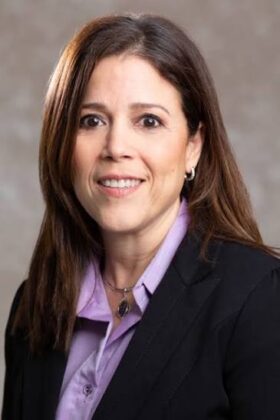
Luz Marina Pages, M.D., is a Coral Gables pediatrician with Pediatric Associates and a former member of the Florida Board of Medicine.