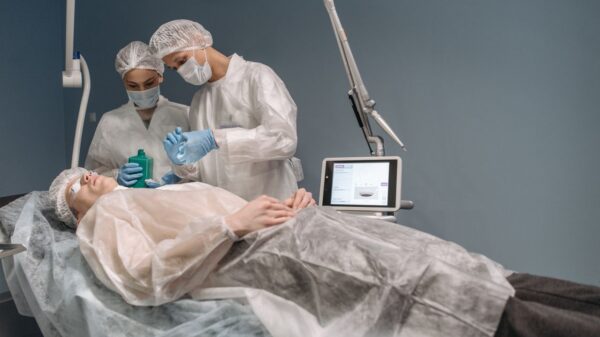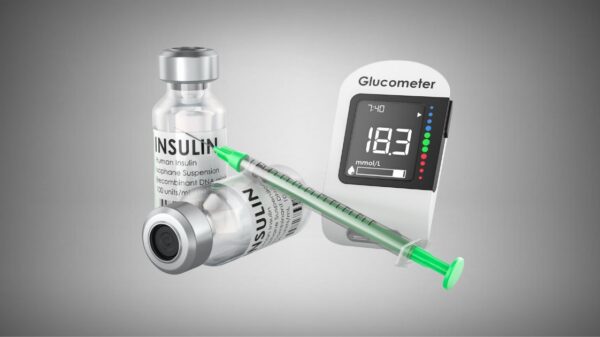
Medical care in Florida is easy to reach for international visitors, and the biggest difference from many home countries is how it’s paid for. Emergency rooms will evaluate and stabilize anyone who arrives with an urgent condition, but the bills follow later, sometimes months afterward, and they can be higher than visitors expect. Knowing where to go for different problems, how coverage from home is treated and what happens when a patient can’t fly right away makes those decisions quicker.
Urgent Care or the Emergency Room
Sprains, minor cuts, fevers and ear infections can usually be handled at an urgent care clinic, where a self-pay visit costs far less than the emergency room and the wait is typically shorter. Chest pain, trouble breathing, stroke symptoms, heavy bleeding and major injuries call for the emergency room, and dialing 911 is better than driving if the person can’t travel safely. Hotel front desks and some travel insurers can point visitors to nearby clinics when they’re unsure which option fits, and a travel companion can make those calls if the patient can’t.
Arranging the Trip Home
When doctors clear a visitor to travel, medical repatriation is among the arrangements families and insurers sometimes put in place to get that person home. The hospital team can explain what the patient’s condition allows, and the insurer’s assistance line can say which steps need approval before anything is booked or paid for, so both are worth contacting on the first day. Families can also ask the discharge team when the patient is likely to be cleared, since flights are usually planned around that date.
Being discharged from a Florida hospital doesn’t automatically mean a patient can board a long flight alone, so the treating physician has to confirm the patient is fit to fly and say what help is needed at the airport and on board. Ground transport, a wheelchair and medication handling all need arranging, and visitors can ask their insurer whether any of that is covered, since some plans pay only to move a patient to the nearest facility that can treat them.
Checking Coverage Before and During the Trip
Insurance from home often doesn’t stretch to Florida prices, because hospital charges in the United States can be two to three times the rates in other developed countries and insurers abroad may reimburse only at their own local rates. A patient who relied on home coverage alone can end up paying the difference, so a travel medical policy bought before departure is worth comparing carefully, including its limits for emergency care and transport. Pre-existing conditions are usually excluded unless the policy says otherwise, so that section deserves a close read before buying.
Keep the insurer’s emergency number, the policy details and a copy of the passport in one place on a phone and on paper, and save every receipt and itemized bill for the claim. With those pieces ready, the choice of where to get care and how to get home can be made on medical advice first and money questions second.