Homeowners have always planned their upkeep around the seasons, but those seasons no longer behave the way they once did. Summers stretch longer, heavy rain arrives in sudden bursts, and mild winters fail to slow down the problems that used to fade with the cold.
In a warm, humid city like Tampa, these shifts are easy to notice, yet the same pattern is showing up in homes across the country. A routine that once worked well can now leave gaps, and those gaps tend to grow into costly repairs when they go unnoticed.
Why Unwanted Visitors Are Showing Up More Often
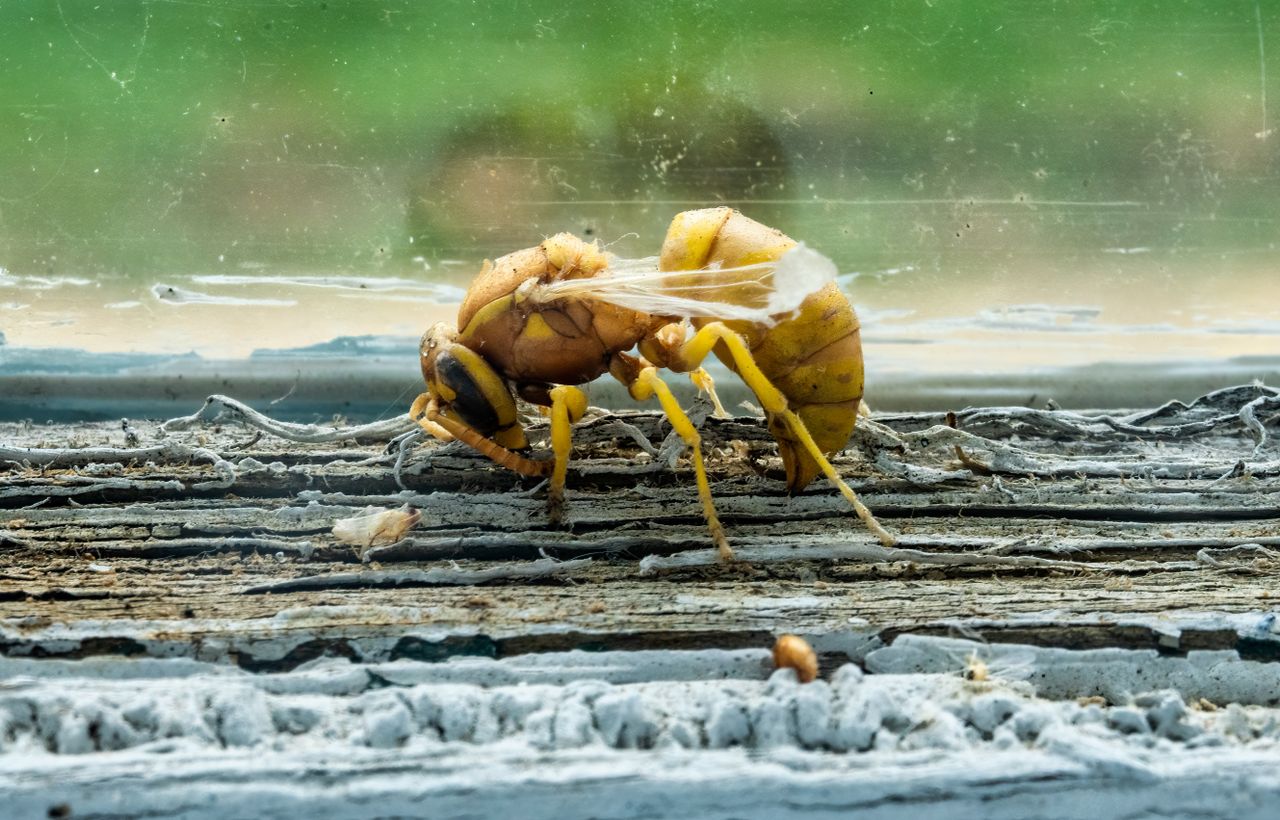
Warmer months and wetter ground give insects and rodents more time to breed and more reasons to move indoors. When a storm floods their outdoor shelter, many of them head straight for the nearest dry structure, and a home with small cracks or gaps becomes an easy target. Pest activity that once followed a predictable yearly rhythm now flares up at odd times, which makes it harder for homeowners to stay ahead of it.
Steady prevention from trained technicians who understand local conditions is often the most reliable answer to this shift. Many households now rely on pest control Tampa residents trust to inspect the property, seal off entry points, and build a treatment plan around each home. Regular visits through the year keep small issues from turning into a serious problem.
Moisture Is Now a Year-Round Concern
Rain used to arrive in a fairly steady pattern, but many regions now see long dry spells broken by intense downpours. This swing places real strain on a house. Water that falls faster than the ground can absorb tends to pool near the foundation, seep into crawl spaces, and soak into wood that was never meant to stay wet.

Damp materials invite mold, rot, and mildew. Bathrooms, laundry areas, and attics are especially at risk because they already hold more humidity than the rest of the house. Checking these spaces after every major storm and running exhaust fans longer can limit the damage.


Gutters deserve more attention than they once did. A gutter that clogs with leaves during a heavy storm can send water spilling over the edge and straight down the siding. Clearing them more often and making sure downspouts carry water well away from the house are simple habits that prevent a long list of later repairs.
Heat Is Wearing Down Roofs and Exteriors Faster
Longer stretches of intense sunshine take a toll on the outer shell of a home. Roofing materials can crack, curl, or lose their protective surface sooner than expected. Paint fades and peels, caulk dries out and pulls away from window frames, and wooden decks can split and warp under constant exposure.
These changes often happen slowly, so they are easy to overlook until a leak appears or a board gives way. A walk around the property twice a year helps catch early warning signs. Look for loose shingles, gaps around windows and doors, and areas where paint has worn thin. Resealing and repainting before the damage spreads is far cheaper than replacing whole sections later.

Heat also affects what sits inside the walls. Attics can become extremely hot, which shortens the life of insulation and puts extra stress on anything stored up there. Good attic airflow keeps temperatures lower and protects both the roof and the living space below it.
Cooling Systems Are Working Harder Than Ever
When hot weather lasts longer, air conditioners run for more hours each day and more months each year. That extra use wears out parts sooner and raises the chance of a breakdown during the hottest stretch of summer, when repair crews are busiest.
Changing filters on a regular schedule keeps air moving freely and reduces strain on the system. Keeping the outdoor unit clear of leaves, grass, and overgrown plants helps it release heat properly. An annual tune-up before the warm season begins can spot weak parts before they fail.
Homeowners can also ease the load by improving insulation, sealing drafty spots around doors and windows, and using shades or curtains on sun-facing rooms. These steps keep temperatures steadier and lower energy bills at the same time.
Landscaping Needs a Fresh Approach
Gardens and lawns feel the change in weather just as much as the house does. Plants that once thrived may struggle with longer dry spells, while sudden heavy rain can wash away soil and expose roots. Overgrown shrubs and trees pressed against the walls can trap moisture and give insects an easy bridge into the home.
Trimming branches and bushes so they sit a short distance away from the exterior helps the walls dry out after rain and removes hidden pathways. Choosing hardy, local plants that handle both heat and heavy rain reduces the need for constant watering and replanting. Mulch helps hold moisture in the soil during dry periods, but it should be kept away from the base of the house so it does not hold dampness against the foundation.
Building a Maintenance Plan That Fits New Conditions
The old habit of a single spring cleanup and a fall check is no longer enough for many households. A more useful approach spreads tasks across the year and ties them to the weather rather than the calendar alone. Inspecting the property after every major storm, during the first heat wave, and before the wettest months gives homeowners a better chance of catching problems early.
Keeping a simple record of repairs, inspections, and unusual events also helps. Over time, this record shows which parts of the house need the most attention and when trouble tends to appear.
Setting aside a small budget for upkeep each month prevents the stress of large, sudden bills. Weather will keep changing, and homes will keep feeling the effects. Owners who adjust their routines now will protect their property, their comfort, and their peace of mind for many years ahead.