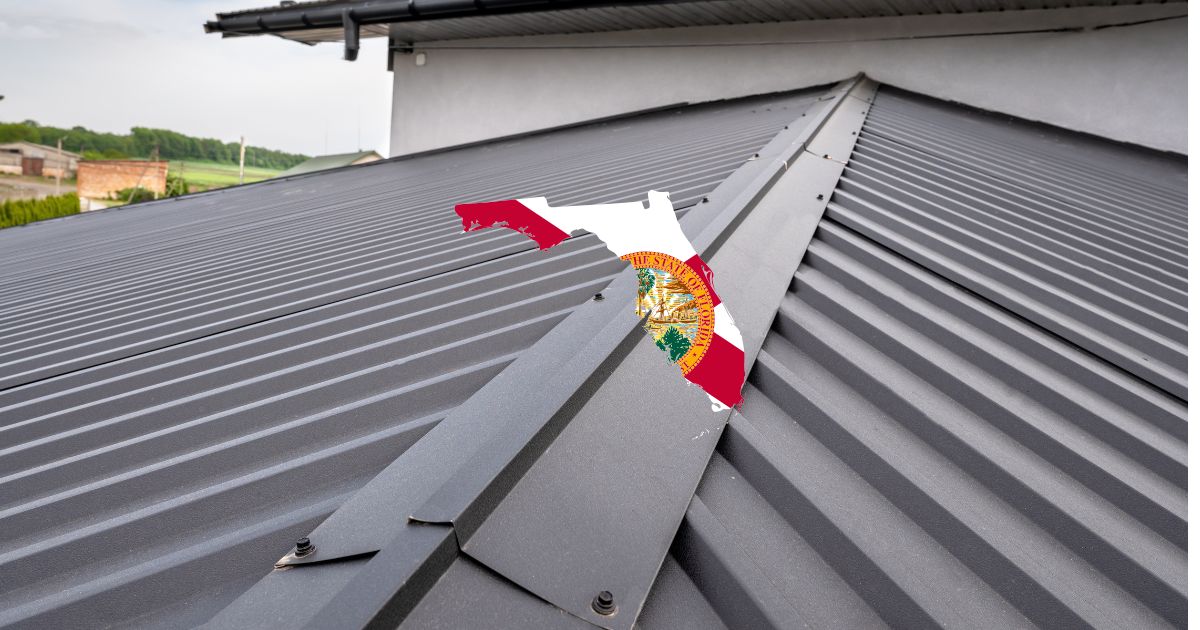
Hurricane season in Florida tends to end the way it begins, with homeowners looking up. This year the Atlantic stayed unusually quiet for months, until Hurricane Isaias came ashore near Destin on October 9 as a Category 2 storm and left damaged roofs and downed power lines across the Panhandle. For families now facing repairs or a full replacement, the material they choose will need to stand up to many more seasons like this one.
A growing number of them are looking past traditional asphalt shingles and toward metal. Once associated mainly with barns and warehouses, metal roofing now comes in sleek standing seam panels, classic profiles and products shaped to look like shingles or tile, in colors that suit everything from coastal cottages to new subdivisions.
A Florida Tradition, Updated
Metal is hardly new here. The 5V crimp roofs on Old Florida homes have shed rain and reflected sun for generations, and many still stand. Today’s systems build on that tradition with stronger fasteners, better underlayments and factory applied coatings designed for heat, humidity and salt air. Stone coated steel products can even mimic the look of barrel tile or architectural shingles, which helps metal fit neighborhoods with strict design standards.

Built for Wind
Florida’s building code holds roofs to some of the toughest wind standards in the country, and a properly installed metal roof is well suited to meet them. Standing seam systems lock panels together along raised seams and attach them to the deck with concealed clips or fasteners, leaving fewer exposed edges for wind to catch. Metal also does not crack the way tile can or shed granules the way aging shingles do. A roof that stays intact through a storm protects everything beneath it, from ceilings and insulation to the furniture and keepsakes inside.

A Roof Measured in Decades
Lifespan is the other big draw. Asphalt shingles take a beating from Florida’s sun, heat and humidity, and many need replacing sooner than homeowners expect. A quality metal roof can last for decades, which means fewer tear offs, fewer contractor visits and less waste headed to landfills. Many metal roofing products also contain recycled material and can be recycled again at the end of their service life.
Cooler Attics, Lower Bills
In a state where air conditioners run most of the year, the roof plays a big role in comfort. On a summer afternoon, an attic can get far hotter than the air outside. Light colored and specially coated metal roofs reflect much of the sun’s energy instead of absorbing it, which helps keep attics cooler and eases the load on cooling systems. Paired with good attic insulation and ventilation, a reflective roof can make a noticeable difference during a long Florida summer.

What to Weigh Before Switching
Metal is not the right fit for every home or budget, and a few factors deserve a close look:
- Upfront cost. Metal typically costs more to install than asphalt shingles. Owners who plan to stay put often find the longer service life worth it, while those selling soon may weigh it differently.
- Salt air. Near the coast, corrosion is a real concern. Aluminum panels or coatings rated for coastal exposure are often recommended close to saltwater.
- Noise. Rain noise is rarely an issue when panels are installed over solid decking and underlayment, as they are on most homes.
- HOA rules. In communities with a homeowners association, check the architectural guidelines first, since some associations restrict roofing materials, colors or profiles.
- Installation. Metal is less forgiving of shortcuts than other materials. Flashing details, fastener placement and panel layout all affect performance, so experience with metal matters as much as the material itself.
Choosing a Contractor
Storms tend to bring out of town crews and door to door salespeople. Florida requires roofing contractors to be licensed, and homeowners can verify a license through the Department of Business and Professional Regulation before signing anything. It is also worth asking for written estimates that spell out the panel type, metal thickness, coating, underlayment and both material and workmanship warranties.
In Central Florida, longtime local firms are a natural place to start. Gold Key Roofing, a family owned contractor founded in Orlando in 1975, installs metal, tile and shingle roofs from offices in Orlando and Fruitland Park, serving communities from Winter Park and Windermere to The Villages, Leesburg and Ocala.

Planning Ahead
With the 2026 hurricane season ending November 30, the cooler months offer a practical window for homeowners whose roofs are near the end of their life. Gathering estimates now, rather than in a rush after the next storm, leaves time to compare materials, ask questions and schedule the work well before next June. Metal panels are often cut to length for each project, so ordering can take longer than a typical shingle job, one more reason to start early. For a growing number of Floridians, that planning ends with a metal roof overhead.