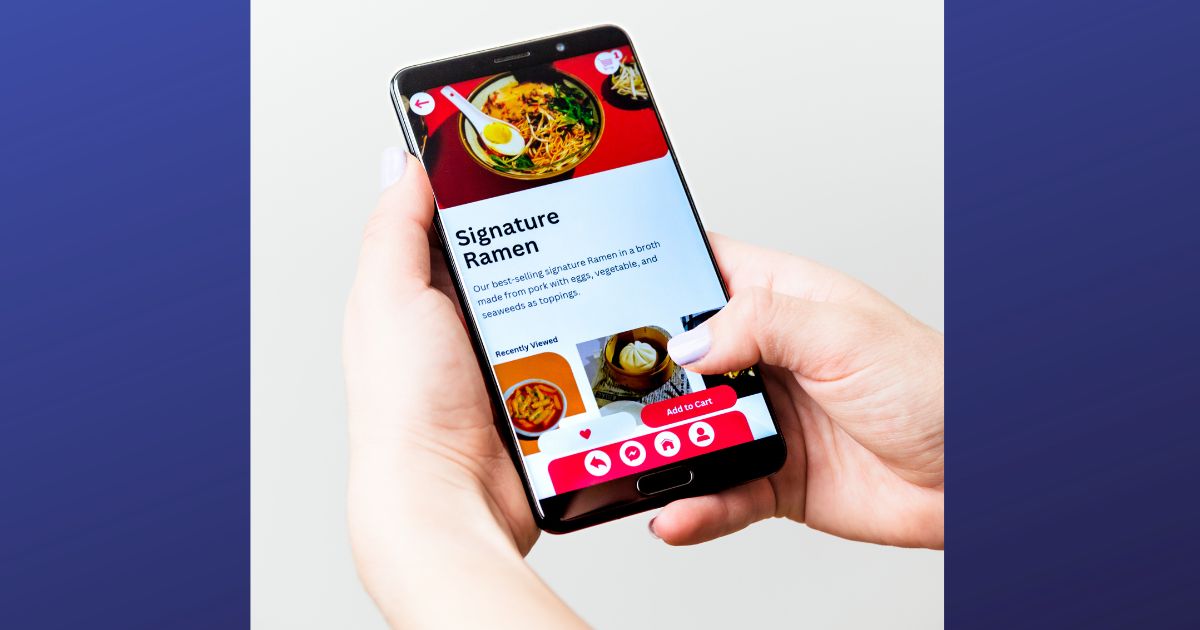
Keeping existing diners coming back while drawing in new ones is a constant challenge for restaurant owners. Loyalty apps have stepped in as practical tools that reward repeat visits, collect useful data, and strengthen guest relationships. These platforms turn occasional visitors into regulars through personalized offers and points-based perks. This article looks at how such applications lift retention rates, push sales higher, and deliver measurable value for food service operators of every size.
The Shift From Punch Cards to Digital Rewards
Paper punch cards once ruled the rewards scene, yet diners often misplaced them or forgot to bring them along. Digital platforms erased that friction by storing points directly on smartphones. Guests can now track progress, redeem offers, and receive personalized suggestions without any physical clutter in their wallets.
Research shows that 79% of consumers say rewards programs influence their decision to keep buying from a brand. That figure alone explains why eateries have moved quickly toward app-based systems. Owners wanting deeper insight into structure and features can review helpful restaurant loyalty app information before picking a platform that suits their operations. The right tool depends on menu style, guest demographics, and budget limits.
Why Retention Matters More Than Acquisition
Winning a new customer costs five to seven times more than keeping an existing one, according to findings published by Harvard Business Review. Retention efforts produce stronger margins because returning guests already trust the brand and spend more per visit.
Loyalty apps support retention through three clear mechanisms:

- Frequency incentives that reward visits within specific time windows
- Tiered status levels that push guests to reach higher ranks
- Surprise rewards that build emotional connection beyond transactions.
Building Habits Through Gamification
Turning rewards into small games keeps guests engaged. Progress bars, badges, and streaks tap into behavioral psychology, making each visit feel like real forward movement. Diners enjoy watching points pile up, which quietly encourages return trips they might otherwise skip on busy weeks.

Personalization as a Sales Driver
Generic discounts rarely move the needle. Personalized offers, however, speak directly to individual tastes. A guest who regularly orders vegetarian dishes responds better to plant-based promotions than a blanket 10% off coupon sent to everyone.
Personalization works because it respects the diner’s time and preferences. Apps group users based on past behavior, then deliver targeted pushes that feel relevant instead of intrusive.

Timing Beats Discount Depth
Sending an offer at 4 p.m. for a slow Tuesday evening performs far better than the same offer at 11 a.m. on a busy Saturday. Smart scheduling, powered by app data, fills seats during off-peak hours and protects margins during rushes.
Higher Average Ticket Sizes
Loyalty members spend noticeably more than non-members. Statistics from Accenture show that engaged program participants spend 12% to 18% more each year at brands they trust. Upselling prompts inside the app, such as suggested add-ons at checkout, nudge diners toward larger orders without pushy sales tactics.
Bundled rewards also lift ticket sizes. Offering a free dessert with an entrée purchase encourages a full meal instead of a quick snack, raising the overall check total.
Reducing Churn Through Consistent Engagement
Silent customers drift away quietly. Apps fight this through push notifications, email prompts, and in-app messaging that keep the brand visible. Reminders about expiring points or limited-time rewards bring lapsed guests back into the rotation.
Well-designed programs also gather feedback directly through the app. Quick surveys after a meal help operators spot service gaps early, stopping small complaints from becoming permanent departures.
Conclusion
Loyalty apps have grown into essential instruments for restaurant growth. They strengthen retention, raise average spend, and provide actionable data that sharpens every business decision. Operators who invest in the right platform gain a measurable edge in a crowded market. By rewarding consistency and personalizing the guest experience, these tools turn casual diners into devoted regulars while lifting sales throughout the year.