By Charles Broadway
Imagine a Kissimmee parent believing their bright 13-year-old daughter had been safely dropped off at school, only to learn she never arrived that day.
On February 26, 2024, Madeline Soto was reported missing. Her mother’s boyfriend, Stephan Sterns, claimed he had dropped her off near Hunter’s Creek Middle School around 8:40 a.m. It was a story that might have held up without the right tools. But thanks to license plate reader (LPR) technology, investigators quickly uncovered the truth.
LPR data placed Sterns’ vehicle miles away from the school at the exact time he said he was there. Combined with surveillance footage, it painted a chilling timeline of his movements that morning, from the family’s apartment complex to areas near St. Cloud, where Madeline’s body was later found. That objective vehicle data dismantled the suspect’s alibi, advanced the investigation, and played a pivotal role in securing a conviction in one of Central Florida’s most heartbreaking cases.

Every day, Florida’s law enforcement officers face immense pressure: do more with less, respond faster, and protect vast, mobile communities from criminals who exploit speed and anonymity. License plate readers are a proven force multiplier in that fight, especially when protecting the most vulnerable.
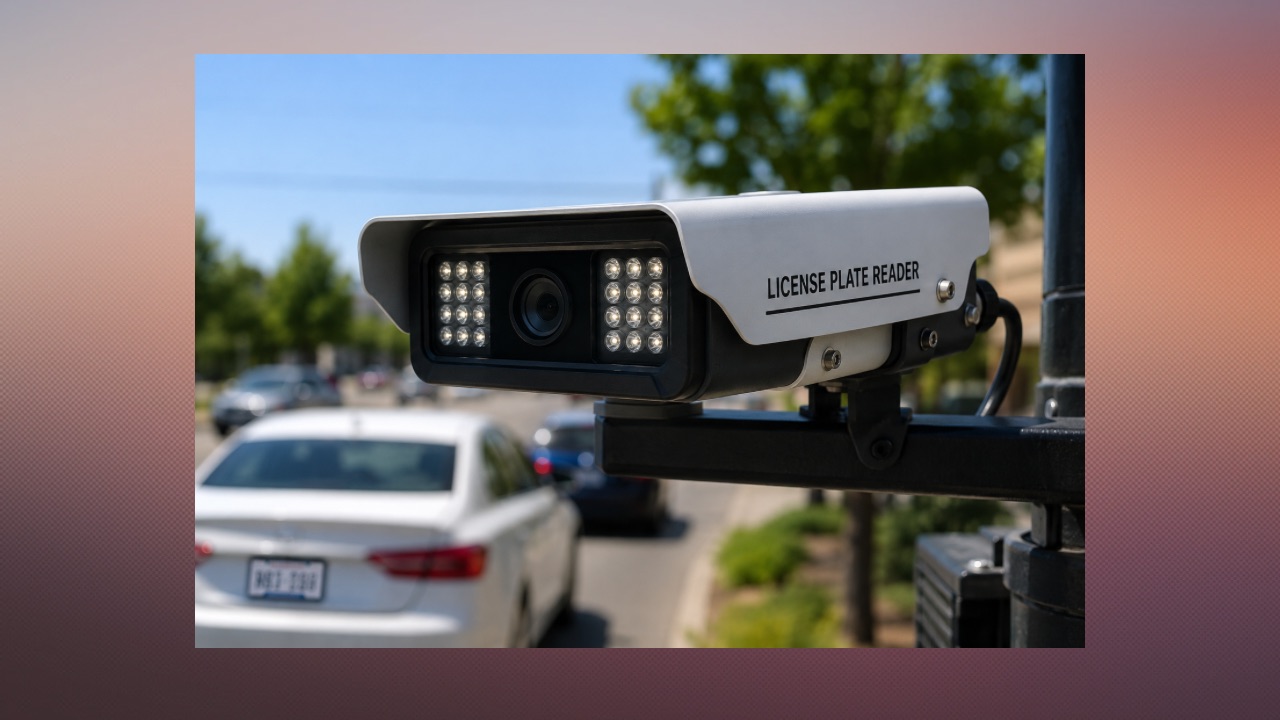
These systems don’t track people. They don’t capture race, ethnicity, or personal details. They simply read license plates and vehicle characteristics that are already visible to anyone on our public roads. When that data matches an active alert, whether for a missing child, a stolen vehicle, or a fleeing suspect, officers receive immediate notifications. In Madeline’s case, that speed and precision were game changers.

Across Florida, agencies credit LPR technology with helping locate missing persons, recover stolen vehicles, disrupt human trafficking networks, and solve violent crimes. It allows departments to coordinate seamlessly across city and county lines, turning fragmented clues into actionable intelligence. For traffickers and offenders who rely on quick escapes along our state’s busy roadways, LPRs strip away their advantage.
Importantly, these tools promote smarter policing. Rather than casting wide nets with unfocused stops, officers act on verified information. This efficiency not only conserves limited resources but also builds community trust by minimizing unnecessary interactions.

Florida police chiefs and law enforcement leaders take privacy and accountability seriously. Strict policies govern data access, retention periods, training, and oversight. Misuse is not tolerated, and these programs operate with transparency while fully respecting constitutional protections. Courts nationwide have upheld their lawful application when paired with such safeguards.
Public safety demands that we evolve with the threats we face. Criminals don’t stand still and neither can the tools we use to stop them. In Madeline Soto’s case, license plate readers didn’t just support the investigation; they helped establish undeniable facts that contributed to justice being served. Parents reunited with children, victims pulled from danger, and dangerous individuals removed from our streets, these are the real human outcomes.
As law enforcement professionals dedicated to protecting Florida families, we believe responsible use of technology like LPRs is essential. It honors our core mission: safeguarding lives with integrity, speed, and precision. That’s a goal every community should rally behind.

Charles “Chuck” Broadway is a Past President of the Florida Police Chiefs Association and the current Chief of Police in Kissimmee. Prior to his role in Kissimmee, he served as a Chief of Police is Clermont FL (2012-2025). Chuck started his career at NYPD serving on patrol and then as a detective; he responded to Ground Zero after the terrorist attacks of 9/11. Chief Broadway moved to Florida where he served at Gainesville PD and the Florida Department of Law Enforcement.