Since the 1950s, the U.S. tax code has prohibited churches from publicly endorsing political candidates; if they did, they risked losing their tax-exempt status.
Recently, however, the IRS has announced that endorsing political candidates from the church pulpit is now allowed. This change follows a lawsuit filed by two Texas churches and the National Religious Broadcasters, which argued that the previous restrictions on endorsing candidates infringed upon their First Amendment rights to freedom of speech and free exercise of religion.
The lawsuit also claimed that treating churches differently from other organizations violated their Fifth Amendment rights to equal protection and due process.

Republicans, including former President Trump, have opposed this law and called for its repeal over the past decade. The IRS has stated that a church endorsing a candidate to its congregation is comparable to a “family discussion concerning candidates,” rather than campaigning.
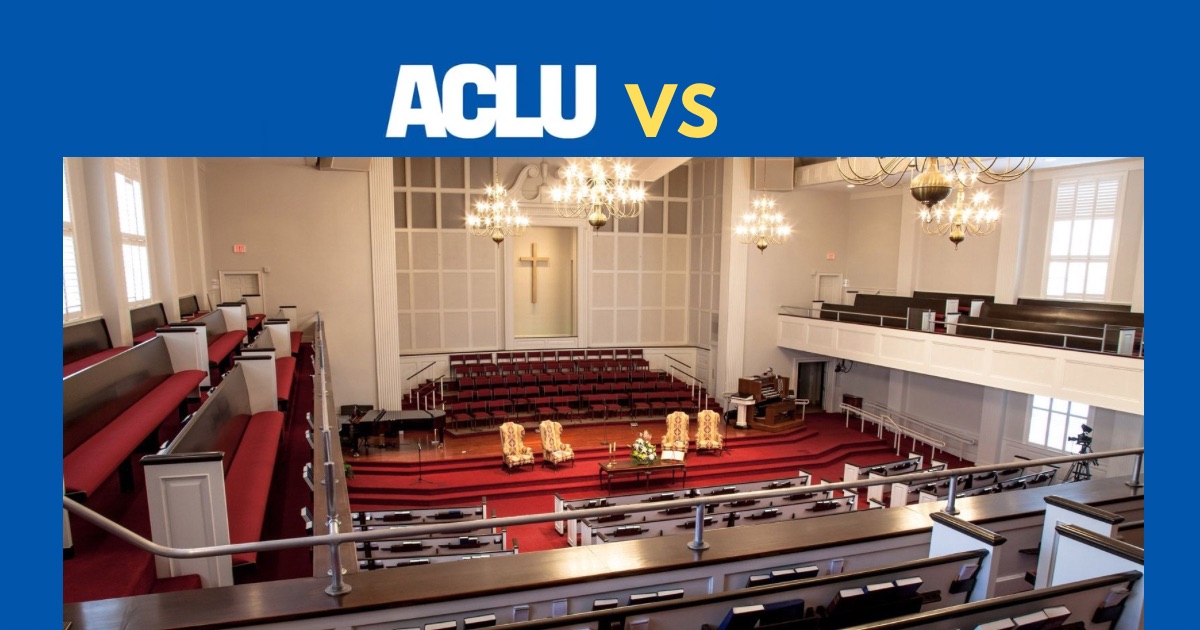
However, liberal groups like the ACLU oppose this ruling by the IRS. The ACLU emphasized that churches and religious leaders already have the right to freely express their opinions on political and social issues without fear of IRS repercussions. They can also support or endorse political candidates as private citizens.
The ACLU, which has been committed to protecting the free speech rights of all individuals for nearly a century, would strongly oppose any efforts to restrict houses of worship and religious leaders from discussing important issues. Such restrictions would clearly violate the Constitution.

Additionally, the ACLU opposes religious organizations receiving special tax benefits and privileges, stating, “Unconstitutional religious favoritism has absolutely no place in government.”
Conservative and religious organizations have applauded the IRS’s decision.