Florida’s Republican gubernatorial primary is shaping up to be far more consequential—and potentially more damaging—than many in the party seem willing to admit.
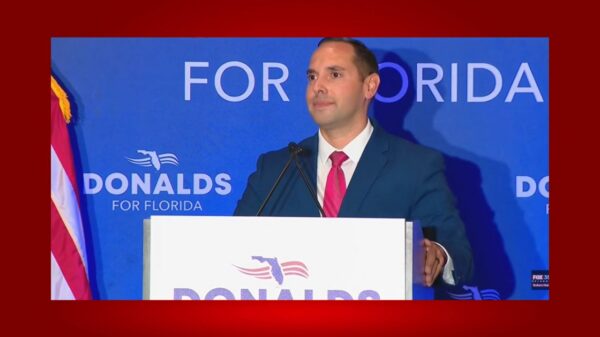
At the outset, the race appeared all but settled. Byron Donalds entered the contest as the clear favorite, buoyed by an early and decisive endorsement from Donald Trump—an endorsement that came before Donalds even formally declared his candidacy. In a Republican primary, that kind of backing is no small thing.
But the field has begun to crowd. Last week, Jay Collins entered the race, adding establishment credibility and an alternative lane for Republican voters. Former Florida House Speaker Paul Renner remains in the mix as well. What once looked like a glide path is now starting to resemble a bruising intraparty fight.
For those of us who have been around Republican politics for a while, the trajectory feels familiar. It echoes the 2012 GOP presidential primary, when Newt Gingrich and Rick Santorum unloaded on Mitt Romney in an effort to slow his march to the nomination. Romney had the money and the polls—but his rivals supplied something else: relentless negative messaging.
That internal Republican warfare ended up doing much of the early work for Barack Obama’s re-election campaign. By the time Romney secured the nomination, his image had already been shaped—fairly or not—as that of a cold, corporate elitist eager to gut Social Security and favor the wealthy. Even Romney’s dominant performance in the first presidential debate couldn’t undo the caricature that had settled into the minds of independents and suburban swing voters.
Florida Republicans would be wise to take that lesson seriously.
Yes, Donalds is still the likely nominee. But the longer and harsher this primary becomes, the more political damage he absorbs before the general election even begins. And while Republicans often point to Governor Ron DeSantis’s landslide re-election as proof the state is safely red, history tells a more complicated story. Outside of that blowout, Florida has seen a string of razor-thin statewide races over the past two decades.
The voter registration advantage Republicans now enjoy is real—but it is not decisive on its own. Independent voters still decide close elections in Florida, and they tend to recoil from candidates who emerge bloodied and overdefined by negative campaigning.

If Donalds enters the general election weakened by months of Republican infighting, and if Trump’s national numbers are soft heading into November, the scenario becomes increasingly risky. Against a disciplined, moderate Democrat with a resonant message, Republicans could find themselves in genuine danger of losing the governor’s mansion for the first time in more than 25 years.
This primary is not just about who wins—it’s about what condition the nominee is in when the real fight begins. And that makes Florida’s governor’s race one of the most important contests to watch in the cycle ahead.