By Mike Elfenbein
In recent commentary, critics have raised concerns about the leadership of the Florida Fish and Wildlife Conservation Commission (FWC), suggesting that commissioners lack the scientific backgrounds needed to guide conservation in our state. While healthy debate is essential, it is equally important to ground that discussion in fact (and in a clear understanding of how conservation actually works in Florida).
As someone who has spent years working in conservation, I can say confidently: Florida’s model is not broken. In many ways, it is a national leader.
The FWC is guided by one of the most successful conservation frameworks in the world — the North American Model of Wildlife Conservation. This model, used in all 50 states, is built on a simple but powerful principle: fish and wildlife resources are held in trust for all people, not owned by any individual or special interest.
That principle matters. It means conservation decisions are not driven by private gain, but by public responsibility, democratic governance, and, critically, science.
FWC commissioners play an essential role in that structure, not as lone decision-makers but as public trustees. Commissioners are appointed by the governor and serve as volunteers who guide policy, ensure accountability, and represent the interests of all Floridians. They do not replace scientific expertise. Rather, they rely on it.

The FWC employs thousands of trained professionals (biologists, researchers, and wildlife managers) who collect data, monitor species, and develop evidence-based recommendations every day. Their work is the foundation for the decisions that commissioners ultimately make.

And those decisions are producing results.
In recent years, Florida has achieved significant conservation milestones: rebuilding fisheries like Apalachicola Bay’s oyster populations after a necessary closure, expanding responsible recreational opportunities such as red snapper seasons, and implementing science-based wildlife management strategies that are replicated successfully across the country. These are not signs of a system in decline, rather they are evidence of a system actively working.

Critics often frame conservation leadership as an either-or choice between science and public accountability. But the system is actually designed to integrate both. Commissioners bring diverse perspectives, from business, law, agriculture, and community leadership which are critical when navigating complex issues like land use, population growth, and public access. Scienceinforms decisions; public trustees ensure those decisions reflect the broader good.
Could the system improve? Of course. No conservation effort exists in a vacuum, especially in a fast-growing state facing real challenges. But dismissing the current structure as inadequate or politically driven ignores decades of success and the collaborative model that has restored and sustained wildlife populations nationwide.
It also overlooks something equally important: service.
FWC commissioners do not serve for profit or personal advancement. They serve because they care deeply about Florida’s natural resources and the legacy we leave behind. They volunteer their time to make difficult, often controversial decisions in the public eye, decisions that must balance science, stakeholder input, and long-term sustainability.
Their public service deserves recognition, not dismissal.
Florida’s conservation future will require strong science, engaged citizens, and thoughtful leadership. The good news is, we already have all three at work. Rather than undermining confidence in a proven model, we should be collaborating to further strengthen it — and ensure that Florida remains a national example of how conservation can succeed.
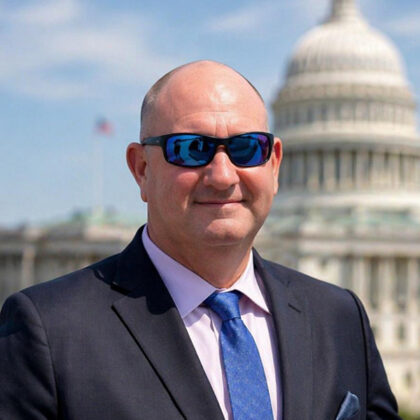
Mike Elfenbein lives in Englewood, Florida and leads the local chapter of national conservation nonprofit, Cypress Chapter of the Izaak Walton League of America (Cypress IWLA), that has 50,000 members.