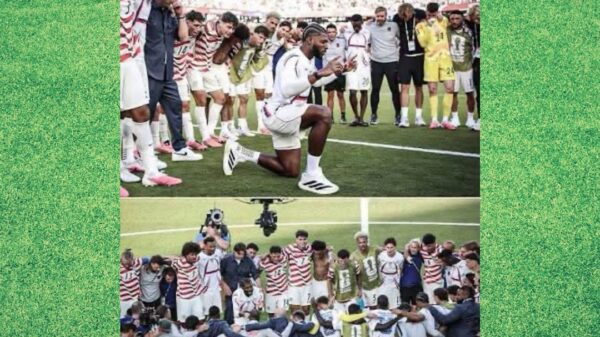
For athletes, there’s nothing quite like the thrill of stepping onto the field, hearing the roar of the crowd, and feeling the rush of competition. Sports are not just a job or hobby—they are a passion and a way of life. But every athlete, no matter how talented, will eventually play their final game. Sometimes retirement arrives earlier than expected due to injuries, performance shifts, or personal decisions. That moment can feel like the end of an identity you’ve built your entire life around.
But your connection to the game doesn’t have to stop when you hang up your uniform. In fact, there are countless ways to stay involved in sports, contribute your knowledge, and even build a new career around the same passion that drove you as a player.
This article explores how you can remain “in the game” after the final match, keeping your love for sports alive in fresh and rewarding ways.
Advancing Your Education
Education is one of the strongest ways to transition from playing to leadership roles. A graduate degree, such as a Master of Science in Sports Administration, can open doors to positions where you can make decisions that shape teams and programs. With this degree, you could move into roles like athletic director, sports manager, or even a sports nutritionist, each offering a way to influence the game from a new perspective.
What makes this step more accessible now is the availability of online programs. Southeastern Oklahoma State University, for instance, offers an online Master’s in Sports Administration, which allows athletes and professionals to continue learning without having to pause other commitments. Whether you are already working in a sports-related role or are taking time off for recovery, pursuing further education can give you the flexibility to keep moving forward.


Coaching and Mentorship

For many athletes, the desire to teach and inspire is a natural next step. Coaching provides the chance to share the lessons you have learned over years of competition and to guide young players as they develop their skills. It allows you to stay close to the game, participate in strategy, and feel the excitement of progress—only this time, you’re shaping it through others.
Mentorship can also be powerful outside of formal coaching. By supporting athletes on an individual level, you can help them navigate challenges, find balance, and avoid the mistakes you might have faced yourself. Both paths keep you engaged with the sport and create a meaningful legacy. Many athletes discover that the pride of seeing someone else succeed under their guidance can be just as rewarding as their own achievements.

Sports Media and Commentary
If you love analyzing the game and sharing your perspective, sports media is another rewarding option. Commentators, analysts, and writers play a big role in how fans experience sports. As someone who has lived the game, your insights are valuable and unique.
This path can include broadcasting for television, hosting or guesting on podcasts, or writing articles that break down plays and strategies. It is also a space that has expanded greatly thanks to digital platforms, giving you the chance to reach audiences directly through blogs, YouTube, or social media. Sports media keeps you connected to live action while also giving you the chance to build a voice that extends beyond the playing field.
Fitness and Personal Training
Years of training and competition give athletes an in-depth understanding of fitness, discipline, and physical limits. Transitioning into personal training or fitness coaching is a natural way to use that knowledge. Many former athletes thrive in roles where they help others reach their goals, whether that means improving general health, preparing for a marathon, or building strength for competitive sports.
Personal training also allows you to remain physically active and involved in a lifestyle that keeps health at the center. It’s a career path that provides flexibility, as you can work with private clients, partner with gyms, or even build your own fitness brand.
Health and Wellness Careers
Athletes often spend years learning the importance of recovery, nutrition, and injury prevention. This knowledge becomes a powerful tool when moving into careers that focus on health and wellness. Many athletes pursue paths in sports nutrition, physiotherapy, or athletic training because they understand what it takes to keep a body strong. Working in these areas allows you to help others perform at their best, whether they are professional athletes or people striving for everyday fitness.
Community Engagement and Youth Development
Sports have always been about more than just competition. They build teamwork, discipline, and confidence, especially in young players. Getting involved in community programs or youth development organizations gives retired athletes a chance to pass on those values. Whether through nonprofits, school programs, or local leagues, your experience can inspire the next generation to believe in themselves and their abilities.
Community involvement is not just about teaching the technical side of the game. It is about creating opportunities for those who may not have access to training or equipment. By giving your time and effort to outreach initiatives, you help ensure that sports remain inclusive and impactful.
Life after the final match is not about filling a void—it’s about entering a new chapter. The years you spent competing gave you resilience, discipline, and perspective that few other experiences can provide. Now is the time to use those strengths in fresh ways, whether you’re building a career, serving your community, or simply enjoying the game at your own pace. The end of competition is not the end of your story; it is an opening for everything still ahead.