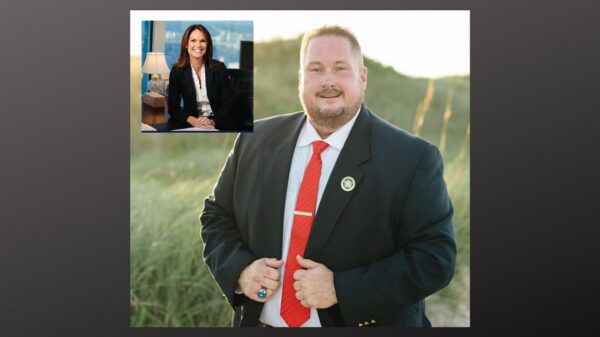
In the political landscape of education, the phrase “drain the swamp” resonates with anyone committed to eradicating the corrosive influences of cronyism and inefficiency from our government institutions. President Trump’s administration began with a promise to remove corruption and special interests, yet the nomination of Penny Schwinn as Deputy Secretary of Education raises serious concerns. Conservatives have voiced strong opposition to her confirmation based on a myriad of controversial decisions and connections that question her qualifications for such a pivotal role.
Penny Schwinn’s background is not merely a tale of educational ambition but one intricately woven with ties to contentious figures and initiatives. Her early career began under the mentorship of former Senator Dianne Feinstein, a name that carries its own baggage in the realm of political controversies. While Schwinn’s initial foray into education came through Teach For America, her subsequent roles have consistently been marked by scrutiny and questions about her effectiveness and the ethical implications of her decisions.
Take her tenure at St. HOPE Public Schools, founded by Kevin Johnson, a man embroiled in allegations of misconduct and financial mismanagement. While Schwinn was not directly implicated in these scandals, her association with Johnson raises serious questions about her judgment and the principles she stands for. The fact that she advanced in her career with endorsements from such a controversial figure speaks volumes about her alignment with the very interests many conservatives seek to eliminate from the education system.
As Chief Officer of Accountability and Performance in Delaware, Schwinn oversaw the Priority Schools program, which was designed to uplift underperforming institutions. However, this initiative faced severe backlash for its punitive measures, including forcing teachers to reapply for their jobs without addressing the systemic issues that plague these struggling schools. Such an approach not only failed to deliver on its promises but also exacerbated existing inequities, drawing criticism from civil rights advocates and educational reformers alike.
In Texas, her leadership was marred by the SPEDx scandal—a no-bid contract that raised red flags over conflicts of interest and financial mismanagement. The fallout from this scandal, which led to financial losses and whistleblower complaints, casts a long shadow over Schwinn’s competence and integrity. The Texas Education Agency’s decision to terminate the contract after significant expenditures highlighted a troubling pattern of oversight and accountability issues under her watch.
Her time as Commissioner of Education in Tennessee was similarly fraught with controversy. Critics have pointed to her lack of communication and collaboration with local superintendents and lawmakers, undermining the trust necessary for effective educational leadership. The $8 million contract with TNTP, an organization linked to her then husband, raised ethical concerns that mirrored issues from her previous positions. Schwinn’s insistence on maintaining distance from oversight of this contract did little to assuage fears of favoritism and cronyism.
The high turnover rate within the Tennessee Department of Education during Schwinn’s tenure speaks volumes about the morale and satisfaction of those she was meant to lead. A staggering number of resignations indicates a lack of confidence in her leadership—a troubling sign for anyone considering her for a national role. When educational leadership is characterized by instability and dissatisfaction among staff, it raises serious doubts about the efficacy of any reforms she may propose.
Moreover, her handling of critical educational policies, including the contentious issue of critical race theory, has drawn ire from both sides of the political spectrum. Lawmakers and parents alike have criticized her for failing to enforce legislative directives aimed at maintaining educational integrity, further complicating her legacy in Tennessee.
Adding to the concerns surrounding Schwinn is her brief tenure at the University of Florida in 2023, where she served as Vice President for PK-12 and Pre-Bachelors Programs. A Florida Auditor General report criticized her $367,500 salary as part of questionable hiring practices under then-President Ben Sasse, lacking clear justification or job description. While Schwinn was not explicitly named in the report, the position she held was mentioned in connection with allegations surrounding Sasse’s hiring process, raising eyebrows over compensation that appeared above market value without appropriate recruitment protocols.
Florida Governor Ron DeSantis and the state’s chief financial officer, Jimmy Patronis, called for an investigation into these spending allegations using tuition and taxpayer dollars. The preliminary audit revealed that the university failed to provide adequate documentation justifying salary decisions, further fueling speculation around potential cronyism in hiring practices. Although no direct evidence of misconduct has been confirmed, the shadows of impropriety linger, further complicating Schwinn’s already controversial public profile.
As Schwinn’s nomination moves forward, it is imperative that U.S. Senators conduct a thorough investigation into her past actions and affiliations. Her connections to established interests and her track record of controversial decisions necessitate a rigorous vetting process. The stakes are too high; our education system demands leaders who prioritize the needs of students over personal ambition and political connections.
In the end, the nomination of Penny Schwinn as Deputy Secretary of Education should be met with skepticism and scrutiny. Her career, marked by controversies and questionable decisions, raises profound concerns about her suitability for this influential role.
If we are to truly “drain the swamp,” we must reject candidates whose past actions suggest an alignment with the very interests we seek to eliminate. The future of our education system depends on leaders who are committed to transparency, accountability, and the real needs of students—not those of special interests.
JC Bowman is the executive director of Professional Educators of Tennessee