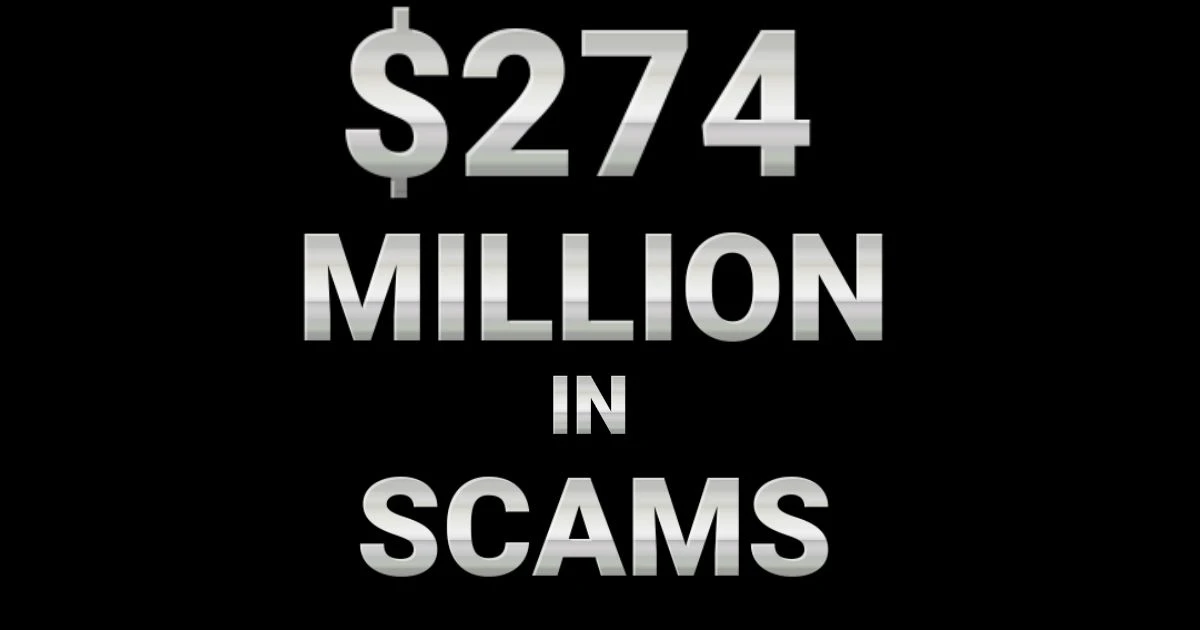
In 2024, the Federal Trade Commission (FTC) reports travel scams cost consumers $274 million, and this summer, 82% of American adults –over 212 million people– are planning vacations. The FTC is cautioning those to be careful of travel scams.
The Most Common Travel Scams Catching Americans Off Guard in 2025
Fake accommodation listings.
Scammers are creating convincing fake accommodation listings on legitimate platforms and social media, often advertising irresistible discounts to hook unsuspecting holidaymakers. Victims typically don’t realize they have been scammed until they arrive to find the property doesn’t exist.
Phishing travel apps & fake booking websites

Cybercriminals are targeting travelers with counterfeit versions of popular travel and itinerary apps, especially those downloaded from unofficial app stores. These fake apps are often used to spread spyware or steal login credentials. In fact, one in five U.S. travelers has already encountered a travel booking scam, with 13% losing more than $500 and 5% losing over $1,000.


Scammers also create convincing copies of legitimate travel websites, offering unrealistically low prices on flights and accommodations. Victims submit payment, only to find there’s no booking and no refund. To stay safe, download apps only from official stores and use websites with secure HTTPS encryption. Avoid listings with poor grammar, requests for bank transfers, or pressure to move off-platform. Watch for unusual domain endings (like .info, or .shop), unverified reviews, and stick to trusted travel sites you’ve bookmarked.
Deepfake customer support scams.
AI tools are now being used to impersonate travel company customer service agents via voice calls, video chats, and even live chatbots. These “agents” may offer help with bookings, refunds, or delays, but are really designed to harvest personal data or demand fraudulent payments.

Never trust unsolicited contact via WhatsApp, Telegram or unverified numbers. Always cross-check with the official company website before engaging.

QR code payment fraud
From restaurants to car parks and museums, QR codes are everywhere – and scammers know it. Cybercriminals are now replacing legitimate QR codes with fraudulent lookalikes that redirect users to phishing sites designed to steal payment information, login credentials, or install malware.
Roughly 25% of Americans fall victim to “quishing” scams.5 Avoid scanning QR codes found on paper stickers, random signs, or lampposts. Before scanning, double-check the URL, look for HTTPS, and consider using mobile antivirus software. When in doubt, ask staff to verify.
Fake travel insurance offers.
Scammers are advertising cut-price travel insurance on social media and unknown websites – often with no real policy behind them. Victims only discover the truth when trying to make a claim abroad.
Christoph C. Cemper, founder of AIPRM a business solution firm said scammers are becoming increasingly sophisticated, especially during peak travel seasons when people are more relaxed and distracted.
“They are now leveraging emerging technologies such as AI-generated content and deepfakes to deceive even the most tech-savvy travelers,” said Cemper.