For a time, the decision seemed almost obvious.
If you wanted more space, lower taxes, and relief from rising costs, you moved south. Florida and Texas became shorthand for financial freedom, warm weather, and a simpler life.
And for many, that promise held — at least initially.
But three years later, the question isn’t why people moved.
It’s whether they would do it again.
The Migration That Reshaped Two States
Between 2020 and 2023, millions of Americans relocated, many to Florida and Texas. Remote work broke the link between job and geography, reshaping how people chose where to live.
Apartments in New York became houses in Tampa. California salaries followed workers to Austin. The logic was simple: no income tax, more space, better quality of life.
For a while, it worked.
But migrations of this scale rarely leave places unchanged.
When “Lower Cost” Gets Complicated
Many newcomers didn’t encounter a contradiction — but a more complex reality.
Florida and Texas may not tax income, but overall living costs tell a different story.
In Florida, home insurance has become a major pressure point. Premiums have surged, especially in hurricane-prone areas, with some homeowners facing both higher costs and fewer options.
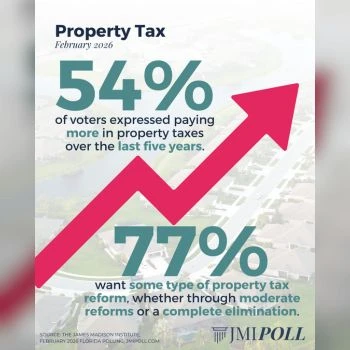
In Texas, high property taxes often offset the lack of income tax. As property values rose, so did tax bills.
What looked like a clear financial win has, for some, become a more nuanced equation — savings in one area offset by rising costs in another.
Climate Moves to the Forefront
Living in Florida or Texas has always meant heat or storms. But recently, these factors have become central, not background.
Florida’s hurricane seasons have intensified, affecting not just homes but insurance markets and long-term affordability.
Texas has faced extended heat waves and pressure on its energy grid, raising concerns about both comfort and reliability.
These are no longer abstract risks. They shape everyday life — and increasingly, relocation decisions.
From Urgency to Reflection
Pandemic-era moves were fast, often driven by urgency and limited information.
Now, the pace has slowed — and the questions have changed.
Instead of “Where can I go right now?”, people are asking:
- What will this cost me long term?
- How stable is this environment?
- What trade-offs am I accepting?
For some, these questions lead to more cautious decisions. For others, to second thoughts.
The Limits of a Simple Narrative
“No income tax” remains a powerful idea — simple, clear, and easy to compare.
But it’s incomplete.
The true cost of living is shaped by many factors: property taxes, insurance, consumption costs, infrastructure, and even climate-related expenses that rarely appear in initial calculations.
The appeal of Florida and Texas hasn’t disappeared. It’s just become more complex.
Looking Beyond the Obvious
Some of the most important relocation factors are also the least visible upfront.
They’re the costs that don’t show up in headlines — the trade-offs that only emerge over time.
A deeper look at the key downsides of moving to Florida or Texas highlights some of these overlooked factors, from hidden financial pressures to longer-term lifestyle implications.
A More Complicated Decision
Florida and Texas still offer opportunity. They continue to attract people, businesses, and investment.
But they are no longer simple choices.
What’s changed is not just the conditions — but how people evaluate them.
Relocation is no longer about following a trend.
It’s about understanding the full picture.