Connect with us

Hi, what are you looking for?

Imposter scams take many different forms and can originate from an email, phone call or text message. Imposter phone calls are effective because spoofing technology allows scammers to change the information displayed on caller IDs to give the appearance that their calls are coming from a government entity.

Florida Crime News

Ashley Moody Warns About COVID-19 Bail Scam

Imposter scams take many different forms and can originate from an email, phone call or text message. Imposter phone calls are effective because spoofing technology allows scammers to change the information displayed on caller IDs to give the appearance that their calls are coming from a government entity.

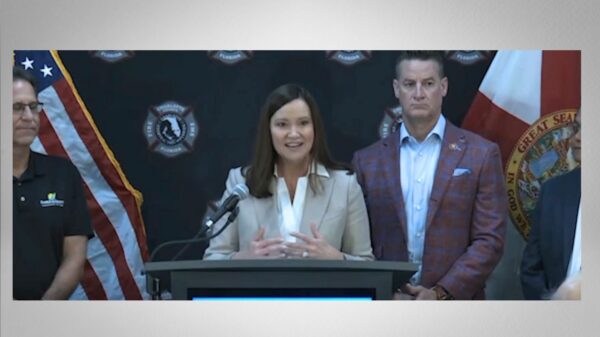
State Attorney General Ashley Moody issued a Consumer Alert on Tuesday warning Floridians about a new twist on a common scam.

For years, scammers have targeted parents and grandparents with phony calls claiming a family member is under arrest. The scammer often spoofs the phone number of a local law enforcement agency, then requests a bail payment to release the family member. Now, there are reports of imposters employing the same scam but using the COVID-19 health crisis to add urgency to an already stressful situation. The scammer claims that due to the health crisis, bail payment must be paid immediately over the phone to reduce person-to-person contact, often implying the relative under arrest may contract COVID-19 while in custody.

“Scammers are always looking for a new way to repurpose an old trick, and imposter scams are the perfect vehicle to leverage the fear of COVID-19. The added concern of the health risks raised by the scammers in their fake calls only makes an already stressful situation—the supposed arrest of a loved one—even more alarming. It’s despicable, but sadly effective. If you get one of these calls, hang up and call the relative supposedly under arrest directly. Then call law enforcement to report the scam,” Moody said on Tuesday.

Imposter scams take many different forms and can originate from an email, phone call or text message. Imposter phone calls are effective because spoofing technology allows scammers to change the information displayed on caller IDs to give the appearance that their calls are coming from a government entity.

To avoid falling victim to an imposter scam:

  • Do not automatically trust the number listed on the caller ID, especially with respect to unsolicited calls;
  • Be wary of any individual who calls or emails asking or demanding a money wire transfer, prepaid debit card or gift card as payment;
  • Hang up and contact the appropriate government agency or the apparent requesting entity directly;
  • Never provide personal or financial information over the phone or via email in response to an unsolicited communication; and
  • Know that law enforcement agencies will never call threatening to arrest you or someone you know unless you provide immediate payment.

Additionally, Moody’s new Scams at a Glance webpage contains more detailed information and resources for Floridians about identifying and avoiding common imposter scams.




Related Articles

Election News

With less than a year to go until the Republican Primary for the 2026 Election, and just 10 months after Ashley Moody accepted Florida...

Political News

Florida’s signature citrus industry may soon experience a revival as the U.S. Food and Drug Administration (FDA) moves to modernize standards for pasteurized orange...

Political News

The U.S. Food and Drug Administration (FDA) has proposed a rule to lower the required sugar content in pasteurized orange juice. This change is...

Political News

Senator Ashley Moody announced that her “Secure U.S. Leadership in Space Act” has officially become law, marking a significant legislative victory for Florida and...

Advertisement
Florida Daily
Privacy Overview

This website uses cookies so that we can provide you with the best user experience possible. Cookie information is stored in your browser and performs functions such as recognising you when you return to our website and helping our team to understand which sections of the website you find most interesting and useful.

HOW WE COLLECT E-MAIL INFORMATION:

If you sign up to subscribe to Florida Daily’s e-mail newsletter, you will provide us your e-mail address and name, voluntarily, and we will never obtain any of your contact information that you don’t voluntarily provide.

HOW WE USE AN E-MAIL ADDRESS IF YOU VOLUNTARILY PROVIDE IT TO US:

If you voluntarily provide us with your name and email address, we will use it to send you one email update per weekday. Your email address will not be given to any third parties.

YOUR CONTROLS:

You will have the option to unsubscribe to our E-mail update at anytime by clicking an unsubscribe link that will be provided in each E-Mail we send.