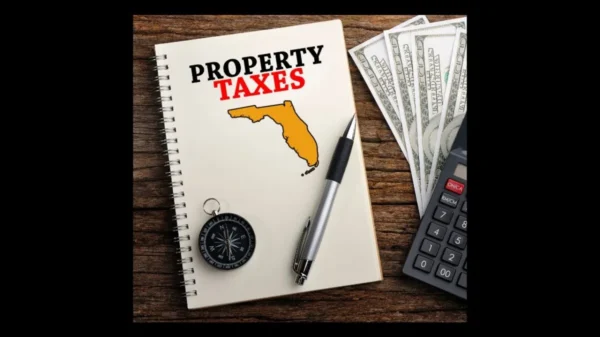
Florida’s Tangible Personal Property is everything used in business and other income-generating occupations other than real estate. Often known as business personal property, it includes: machinery, equipment, furniture, fixtures, tractors, signs, supplies, and leased, loaned, borrowed, or rented equipment.
With the passing of Amendment 1 in 2008, a $25,000 Tangible Personal Property exemption was created. Tangible property differs from real property tax (or ad valorem tax), as it is a tax on things owned and used by businesses. The tangible tax is applied based on the original value of the equipment or item used in business. The items are depreciated in a manner prescribed by the Department of Revenue. There seems to be no clear understanding or uniformity in how depreciation is determined. Regardless of how the depreciation is determined, the tax and assessment never go away. If a business uses the equipment regardless of the age, a 20% value is assessed, and the tax is applied to that value.
Currently, the tax rate is 7%, and some business groups want it cut. The First Coast Manufacturers Association (FCMA) is one such group.


The president of FMCA Lake Ray says this tax discourages investment in new equipment and, in some cases, has led to companies leaving the state due to the increase in tax based on a new investment.
Ray, a former Florida State Rep,. says many manufacturers his association represents would love to see state lawmakers pursue legislation to either cut or do away with the state’s Tangible property tax
It’s been tried before. The Tangible tax was placed on the ballot in 2012 to remove it from the constitution; however, it failed. While the tax is required, Lake Ray says several things can help to reduce the impact.

First, consider utilizing a depreciation scale similar to the Federal government, followed by reducing the residual use value to 5%. Second, allow immediate value reduction on new and advanced equipment if a company has been operating in the state for five or more years. Ray says this will protect current businesses.
Third, consider ways to offer tangible tax corrections. Fourth, have Legislation define the tax regimen for value assessments, not the Department of Revenue.
Ray says that with a surplus in state revenues, consideration should be given to reducing the taxes on tangible property. These funds could reduce the tax impact on businesses and manufacturing for an extended time and allow changes in the collection and use of the tax to be adjusted in government operations, as listed above. The challenge is that this tax goes primarily to local city and county governments and county school boards.