Florida Attorney General James Uthmeier has filed a lawsuit against several online pornography operators, accusing them of violating the state’s age-verification law by allowing minors access to adult content. The complaint targets both domestic and foreign entities, including the popular website XVideos, which the state says ignored multiple warnings issued earlier this year.
Uthmeier alleges the companies “flagrantly” defied Florida’s age-verification requirements under HB 3, a law signed in 2024 that mandates anonymous or secure age checks before users can access explicit material. The platforms named in the suit reportedly continued operating without implementing any form of verification, despite receiving formal notice from the Attorney General’s Office in April demanding compliance.

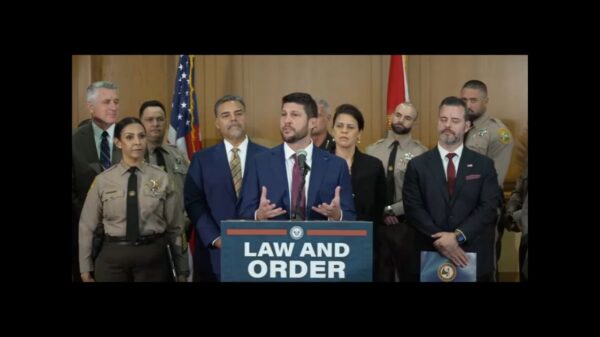
“As a father of young children, and as Attorney General, this is completely unacceptable,” Uthmeier said in a statement. He accused the companies of “preying on the innocence of children for financial gain” and vowed to hold them accountable under Florida law.

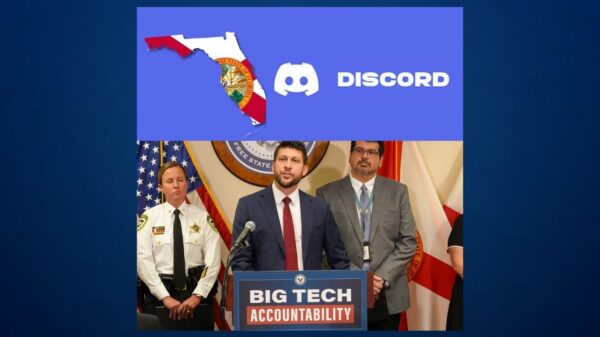
The lawsuit is part of Uthmeier’s broader initiative to enforce Florida’s digital content protections for minors. Earlier this year, his office filed charges in unrelated cases involving an international child pornography ring and a Florida predator who used Snapchat to exploit minors.
Legal observers note that Florida’s HB 3 is already the subject of a federal lawsuit by tech trade groups, including the Computer & Communications Industry Association and NetChoice, which argue the law violates First Amendment rights and federal privacy standards. A federal judge recently allowed Florida to enforce the law while dismissing the groups’ initial challenge with permission to refile.

The enforcement action seeks to impose civil penalties of up to $50,000 per violation and allows for additional fines against companies that fail to comply with subpoenas or court orders. While the defendants include companies operating outside the United States, Uthmeier has indicated the state will pursue enforcement regardless of jurisdiction.

Critics of Florida’s approach say it may face constitutional challenges, though recent federal court decisions have upheld similar laws in other states. Uthmeier remains confident in the legality of Florida’s statute, describing the lawsuit as a necessary step to protect children from harmful online content.