Florida Gov. Ron DeSantis is calling a special session of the Florida Legislature during the week of June 1 to consider a proposed constitutional amendment aimed at providing broad property tax relief for homeowners across the state.
The proposal, titled “Save Our Homes from Excessive Property Taxes,” would immediately increase Florida’s homestead exemption while establishing a framework for the eventual elimination of property taxes on homestead properties through future state law.
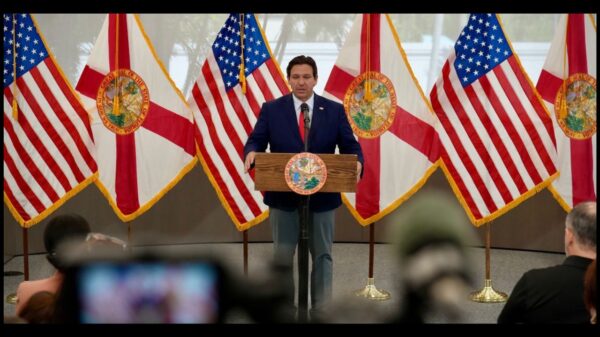
Speaking in Tampa, DeSantis said rising property tax collections by local governments have placed an increasing burden on Florida homeowners and argued the state should pursue sweeping reform.
“Property tax revenue collected by local governments has nearly doubled in the past seven years and is expected to reach an astounding $83 billion by 2032,” DeSantis said. “Florida homeowners need relief. Now is the time to stand up for taxpayers, enact a historic reform, and save the home of every Floridian.”


According to figures released by the governor’s office, local government property tax collections in Florida increased from approximately $32 billion to $60 billion over the last seven years. The administration projects those revenues could climb to $83 billion by 2032.
The proposal includes five major components designed to provide both immediate and long-term tax relief.

Under the plan, the first $250,000 of a homestead property’s value would be exempt from taxation, with state lawmakers directed to establish a schedule for the full elimination of homestead property taxes in the future.
The proposal would also require local governments to dedicate remaining property tax revenues solely toward what the administration describes as core public services, including public safety, education, infrastructure, and natural resource protection.
In addition, the measure seeks to limit future property tax assessment increases on businesses in an effort to create what the governor’s office calls a more stable tax environment for small businesses.

The proposal also includes residency requirements for future Florida residents seeking the expanded homestead exemption. Under the plan, individuals establishing Florida residency after January 1, 2027, would need to maintain residency in the state for up to five years before qualifying for the increased exemption.
To help offset potential impacts on local governments, the proposal would establish a state trust fund designed to provide grants supporting core local government services.
The governor’s office said the goal of the special session is to place the proposed constitutional amendment before Florida voters on the ballot this fall.