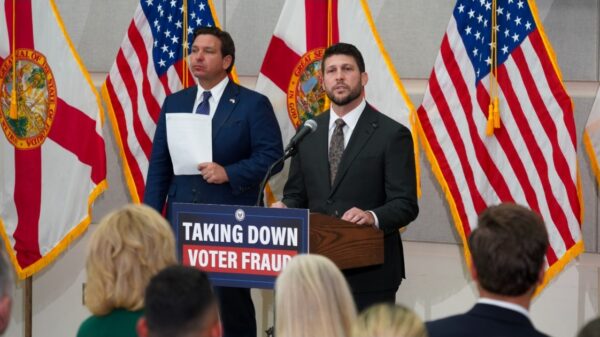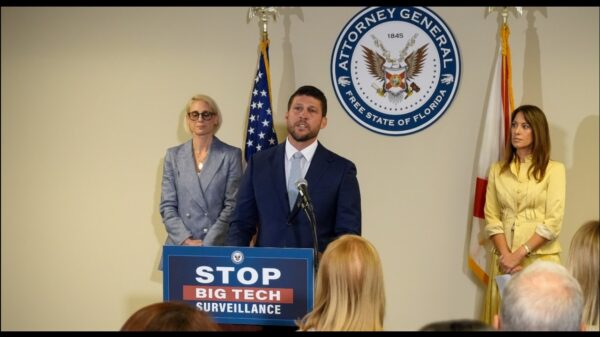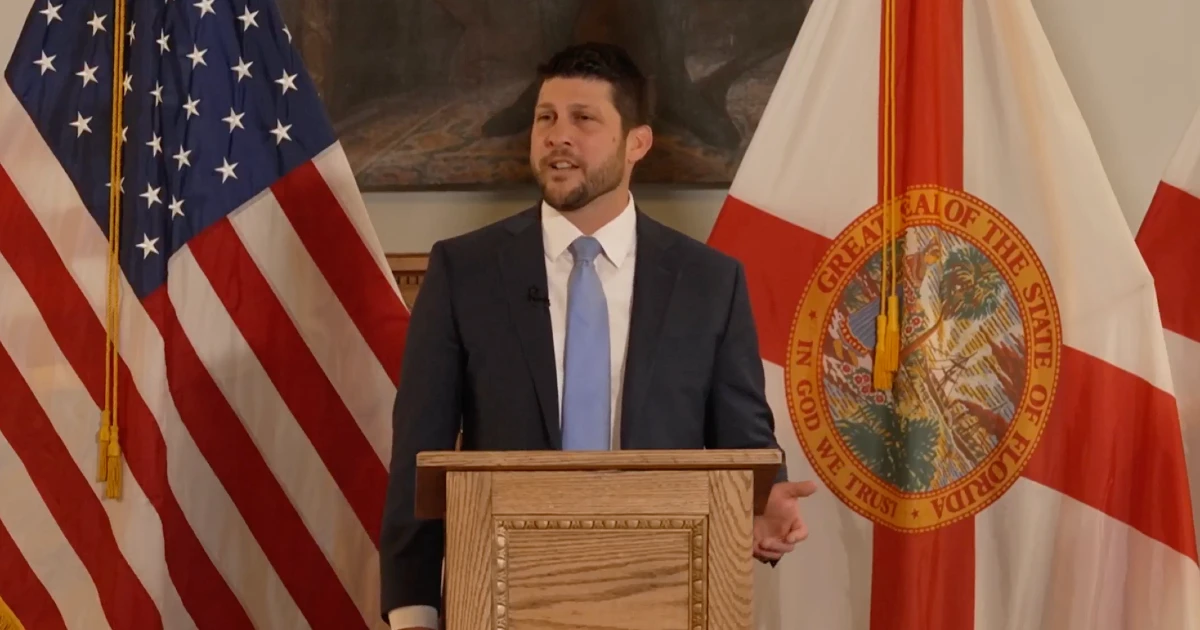
TALLAHASSEE, Fla. — Florida Attorney General James Uthmeier has filed a petition with the U.S. Census Bureau seeking changes to how the federal government conducts population counts used to determine congressional representation.
The move follows the release of updated data indicating that Florida and several other Republican-leaning states were undercounted in the 2020 United States Census, while a number of Democratic-leaning states were overcounted.
In a statement, Uthmeier argued that the census process should focus on accurately representing U.S. citizens, saying population totals directly affect how political power and federal resources are distributed.
“The way we count our population has a direct impact on how political power is distributed across the nation, and our state deserves an accurate count that ensures Floridians are represented fairly,” Uthmeier said.

According to the petition, the alleged undercount may have cost Florida at least one congressional seat and reduced the amount of federal funding allocated to the state. At the same time, the filing claims that other states retained representation they otherwise would have lost.
Uthmeier’s petition centers on how the Census Bureau counts residents, particularly individuals who are not U.S. citizens. The current methodology counts all persons living in the United States at the time of the census, regardless of citizenship or immigration status.

The attorney general argues that this approach inflates population totals in states with larger non-citizen populations and diminishes representation in states like Florida.
The petition calls on the Census Bureau to make several changes, including:

- Collecting data on citizenship and immigration status
- Excluding non-citizens and temporary residents from apportionment counts
- Excluding children of non-citizens from those counts
- Ending the use of statistical methods that adjust population estimates
Apportionment data from the census determines how seats in the U.S. House of Representatives are distributed among the states, as well as how billions of dollars in federal funding are allocated.
The Census Bureau has not yet publicly responded to the petition. Any changes to census methodology would likely face legal and political challenges, as previous efforts to include a citizenship question in the census have been contested in federal courts.
The issue is expected to reignite debate over how population is measured and how representation is determined across the United States.