Retail analyst CarEdge reports the Supreme Court’s strike-down tariff decision is a win for car buyers, as this is considered welcome news, as the industry is expecting sales to stagnate through 2026. With more competitive pricing and incentives now on the table, automakers will have new options to compete for your business.
While vehicle prices are not going to fall 15% overnight, eliminating tariff pressure reduces upward pricing momentum. For now, the ruling gives manufacturers room to increase incentives, protect margins, or compete more aggressively on price.
Another benefit for vehicle owners is that parts costs could also ease. Even vehicles assembled in the United States often rely on globally sourced components. If imported parts previously faced 10–15% duties, removing those costs lowers production costs and improves manufacturing economics. In a market where affordability remains strained in 2026, even incremental cost relief can matter.


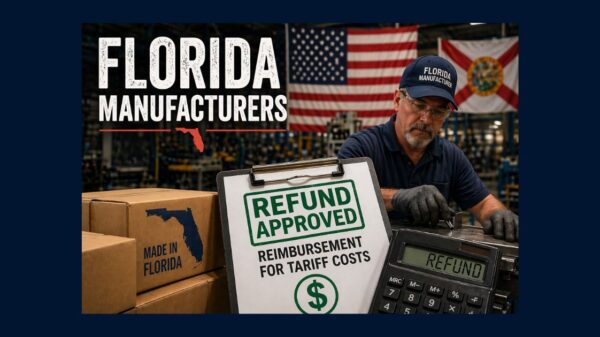
There is also the potential for financial adjustments. Companies that paid tariffs may seek refunds, which could improve short-term profitability and potentially support future incentive programs. However, refund processes are often complex and could take time to resolve.
The bottom line for car buyers is if new car prices come down (even modestly), used car prices could also decline. That would be a win for all car shoppers in 2026. Those looking to sell or trade-in could see their trade-in values drop.
What the ruling means for car prices

Removing a roughly 15% effective tariff from imported vehicles changes the cost equation meaningfully.
When a vehicle carried a 15% duty at the port of entry, that cost had to be absorbed somewhere. In many cases, it was passed through to consumers in the form of higher MSRPs. In other cases, automakers absorbed reduced incentive spending to offset it. This meant fewer low-APR incentives and cheap lease deals for consumers.
With that layer removed, automakers gain flexibility.